Blog

  • Inside ReleaseLoop: Planning Your Release

    Looking to take your record label to the next level?

    It all starts with a well-planned music release. And that’s where ReleaseLoop comes into play. This powerful software can be your secret weapon for a successful launch.

    Whether you’re a newbie or a seasoned pro, planning a music release can be challenging. You’re probably wondering where to start or how to streamline the process.

    ReleaseLoop is designed to simplify your music release process, giving you more time to focus on your label. So, let’s see how you can plan your next music release with ReleaseLoop.

    Using ReleaseLoop to plan a release

    Release planning can be tricky. That’s where ReleaseLoop comes in. This project management software for record labels helps you plan music releases and stay organized. It promises an easier route to successful releases and changes how you manage your operations.

    Creating a Release

    To start planning a new release, hit the ‘create new release’ button. You’ll be greeted with a modal to input basic metadata about your release. As ReleaseLoop is a planning tool, your inputted details don’t need to be perfect but detailed enough to keep you organized.

    Planning Inside a Release

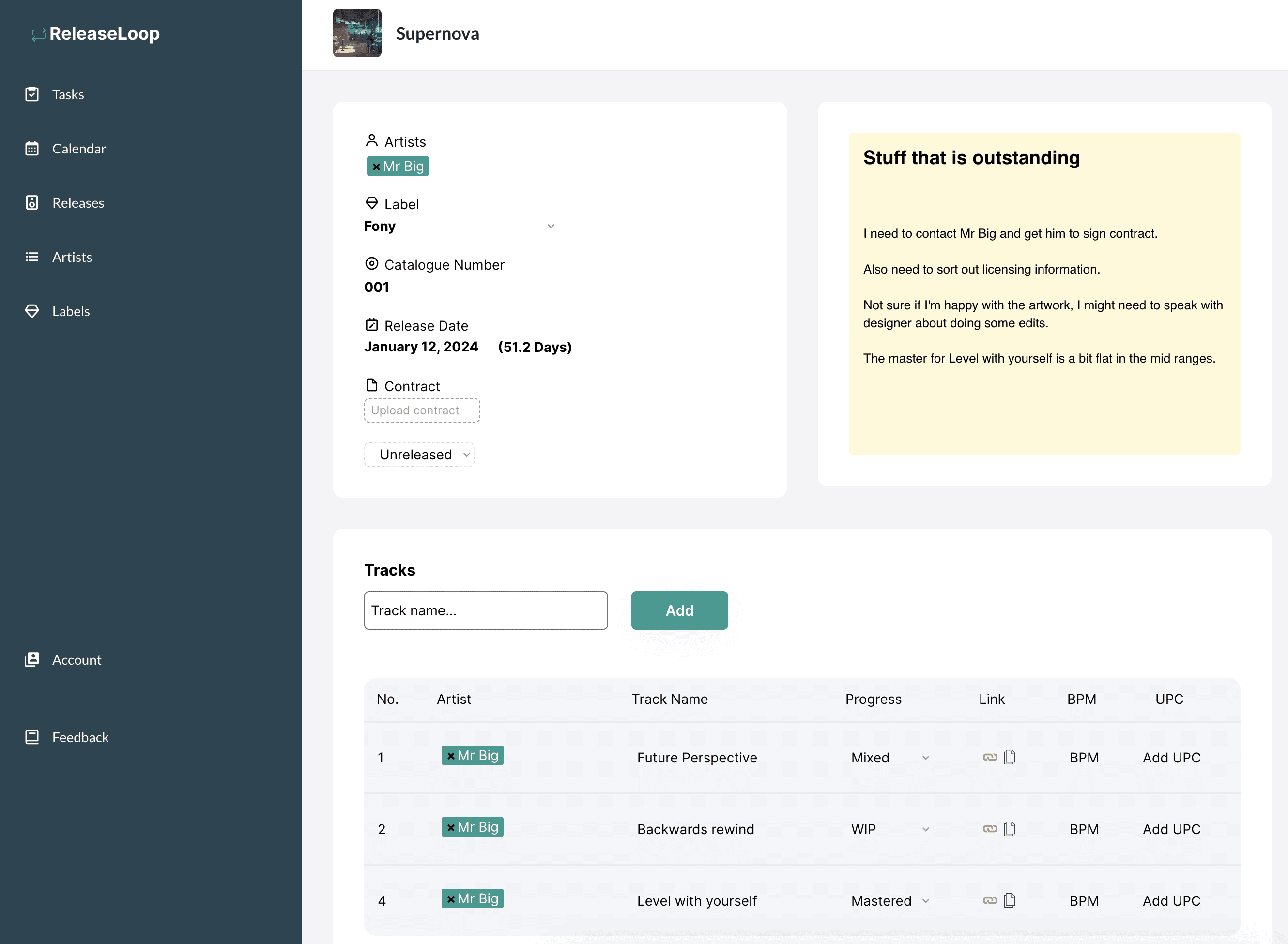
    Once you’ve created your release, it comes to life as a release card on your dashboard. Clicking on this card unfolds an all-in-one release page. This page is your control center, allowing you to chalk down notes, plan tracks, schedule crucial tasks, and get a birds-eye view of your upcoming release.

    Setting Tasks

    One of ReleaseLoop’s power features is its task-setting mechanism. Once assigned to a release, each task becomes visible on the release page. Task templates, such as a 3-week marketing run, make it a game-changer. Once selected, ReleaseLoop cleverly uses your release date to plan tasks around it. These aren’t set in stone – you can modify task names and due dates to fit your process.

    Why ReleaseLoop will help your record label

    So you’ve seen how ReleaseLoop can transform your music release process. It’s more than just a tool—it can help you organize your entire record label.

    With ReleaseLoop, you’re not just planning a release. You’re creating a roadmap to success using features like metadata input, release cards, and task templates. It’s about streamlining your workflow, making your job easier and more efficient.

    Remember, a well-planned music release can make all the difference. So why wait? Let ReleaseLoop take your music releases to the next level.

  • Boost Your Label’s Income: 7 Essential Revenue Sources for Record Labels

    Understanding the various revenue streams available to a record label is crucial for its growth and sustainability. Whether you’re just dipping your toes into the record label world or looking to diversify your income sources, you’re in the right place.

    This guide will uncover the seven key revenue sources that can turn your record label from a passion project into a profitable powerhouse. From traditional sales to modern digital platforms, we’ll explore how each revenue stream can contribute to your label’s success. So, if you’re ready to amplify your label’s earnings, keep reading.

    Physical Music Sales

    It’s easy to think that physical music sales have gone the way of the dinosaur. But that’s far from the truth. Physical formats like CDs and vinyl records still play a crucial role in a record label’s revenue stream. They offer something tangible and collectible that digital formats can’t replicate. Understanding how to maximize these sales can significantly boost your label’s income.

    CD Sales

    “Who buys CDs anymore?” Surprisingly, a lot of people do. There’s a tangible element to CDs that streaming can’t replace. Plus, owning a physical copy gives fans a sense of connection to their favorite artists. To make the most out of CD sales:

    • Offer Exclusive Content: Including bonus tracks, booklets, or unique packaging can make your CDs more attractive.

    • Bundle Them: Bundling CDs with concert tickets, merchandise, or exclusive access to digital content can drive sales.

    • Sell at Live Shows: Never underestimate the power of selling CDs at concerts. The impulse buy factor is high, and the profit margins are better.

    One common mistake is neglecting the presentation. Investing in high-quality artwork and packaging can turn a CD from a simple music format into a collectible item.

    Vinyl Sales

    Vinyl has made a remarkable comeback, becoming a collector’s item and a symbol of audio fidelity. Here’s how you can capitalize on the vinyl revival:

    • Press Limited Editions: Limited runs of colored vinyl or special editions can become highly sought after.

    • Focus on Sound Quality: Audiophiles appreciate vinyl for its sound quality. Ensure your vinyl pressings meet high audio standards.

    • Create an Experience: Think of vinyl as an experience rather than just a product. Include download codes for digital versions and consider adding posters or art prints.

    A common mistake is overlooking the importance of mastering vinyl. Vinyl requires specific mastering to achieve the best sound quality, unlike digital formats. Ensure you work with engineers experienced in vinyl mastering to avoid this pitfall.

    In both CD and Vinyl sales, it’s essential to understand your audience’s preferences and buying habits. Tailoring your approach to fit these preferences can help you maximize your physical music sales, adding a robust revenue stream to your record label.

    Digital Music Sales

    Digital music sales have become a cornerstone in the revenue model of today’s record labels. While traditional physical sales retain their charm, the digital realm offers expansive reach and potential that can’t be ignored.

    Downloads

    In the early 2000s, digital downloads became the revolutionary way for fans to access music. Platforms like iTunes led this charge, offering individual tracks and albums for purchase. Although streaming has surged, downloads still represent a significant revenue stream. They offer listeners a sense of ownership and often appeal to those who prefer having a local copy of their music rather than relying on an internet connection.

    Common Mistakes:

    • Overlooking Metadata: The biggest mistake you can make is neglecting the metadata of your digital tracks. Metadata includes information like track names, artist names, and genre tags. Accurate metadata ensures your music is easily searchable and categorized adequately on platforms.

    • Ignoring High-Quality Formats: A segment of your audience craves high-resolution audio. Catering to audiophiles by offering FLAC or WAV downloads can set you apart and command higher prices.

    Practical Tips:

    • Always ensure your metadata is complete and accurate.

    • Consider offering multiple format options, including high-resolution for discerning listeners.

    • Use services that allow you to retain a higher percentage of sales revenue.

    Streaming

    Streaming has become the dominant way people listen to music today. Services like Spotify, Apple Music, and Tidal offer vast music libraries for a monthly fee or through ad-supported free tiers. For record labels, understanding streaming revenue is crucial. It’s not about the single purchase but the accumulation of streams over time.

    Common Misconceptions:

    • Streaming Doesn’t Pay Well: While it’s true that per-stream payouts are fractional, the streaming volume can result in significant revenue. It’s a long game.

    • All Platforms Are the Same: Different platforms may cater to different demographics or offer varying royalty rates. Understanding where your audience lives digitally is critical.

    • Engage with Playlists: Getting your tracks on popular playlists can exponentially increase your streams. Don’t underestimate the power of playlist placement.

    • Release Regularly: Consistent releases keep your audience engaged and can help maintain a steady revenue stream.

    • Optimize for Discovery: Use SEO principles in your track titles and descriptions to improve discoverability.

    In both downloads and streaming, being strategic about presenting and optimizing your music for digital consumption can significantly impact your revenue stream. Understanding your audience, utilizing data effectively, and keeping abreast of digital trends will enable you to maximize your digital sales potential.

    Licensing and Sync Fees

    You’ve probably heard about licensing and sync fees, but what exactly are they? Let’s break it down in simple terms. Licensing and synchronization, or “sync” for short, refer to incorporating music into various forms of media such as movies, TV shows, commercials, video games, and more. If done correctly, it’s a revenue stream that can be pretty lucrative for your label.

    Understanding Licensing and Sync Fees

    At its core, a license permits someone else to use your music. You’re entitled to a fee when your music is synced with visual media. This sounds simple, but there are common mistakes and misconceptions to be aware of. One major mistake is not registering your music properly with performing rights organizations or neglecting copyright information. This can lead to missed opportunities for revenue because if your tracks aren’t correctly cataloged, they won’t be easy to find or license.

    The Key to Unlocking Licensing Opportunities

    To avoid these pitfalls, ensure all your music is accurately registered and metadata is up-to-date. This includes details like song titles, artist names, and ISRC codes. A well-organized catalog makes your music more discoverable to music supervisors, the folks responsible for finding music to sync in their projects.

    Practical Tips

    • Build Relationships: Networking with music supervisors and licensing agents can significantly increase your chances of getting your music picked for projects.

    • Quality Matters: Ensure your music is high-quality and readily available in various formats for easy project integration.

    • Diversify: Different types of media require different music rights. Understanding these can help you cater to a broader range of licensing opportunities.

    • Movies and TV: Often require both sync and master licenses.

    • Commercials: These are short-term licenses but can be highly profitable.

    • Video Games: These may require exclusive rights, given the long product lifecycle.

    Each media type has its nuances concerning licensing. For instance, movies and TV might need extensive negotiation about the duration and scope of the license, whereas commercials could be more about striking while the iron’s hot with trending music.

    Live Performances and Tours

    Live performances and tours are crucial revenue streams for any record label. They’re not just about selling tickets; they’re an opportunity to enhance artist visibility, sell merchandise, and secure future gigs. Performances can significantly boost your label’s income and the artists’ profiles. Yet, many overlook or undervalue these opportunities due to common misconceptions and errors.

    One common mistake is underestimating the planning and promotion needed for profitable live events. It’s not just about booking a venue and waiting for fans to show up. Successful events require strategic marketing, engagement with fans, and ensuring the artist’s performance is top-notch. Here’s how to avoid such pitfalls:

    • Start planning early: This gives you ample time for promotion and to iron out any logistical issues.

    • Use social media and email marketing: Engage with fans and keep them excited about the event. Behind-the-scenes content or rehearsals can spike interest.

    Another area often mishandled is merchandise sales. Merchandise can be a significant revenue booster when paired with live performances. But, not offering a variety of items or ignoring the importance of quality can dampen sales. Ensure your merchandise is desirable, well-made, and well-promoted online and at the event.

    Live performances and tours offer a unique avenue for fan interaction. Creating an unforgettable experience can turn attendees into lifelong fans. This means going beyond just the music; think about the overall experience – from the venue choice to the interaction with fans during and after the show.

    Merchandise stands, meet-and-greets, and even the venue’s ambiance play a vital role in how fans perceive the event. Investing in these aspects can elevate the overall experience, making it memorable for attendees.

    Finally, don’t overlook the power of local shows. While global tours are lucrative, local shows are excellent for building a solid fan base. They’re often more intimate, allowing for direct interaction with fans and leading to increased merchandise sales, social media engagement, and loyalty.

    In essence, live performances and tours are multifaceted opportunities. Record labels can unlock substantial benefits from these events by addressing common mistakes, focusing on quality and fan experience, and leveraging both global and local shows.

    Merchandising and Brand Partnerships

    Merchandising and Brand Partnerships are key areas often underestimated by new and established labels. Leveraging these can significantly boost your label’s income and artist visibility.

    Merchandising: More Than Just T-Shirts

    The word “merchandising” might conjure images of band T-shirts and hoodies, but it’s so much more than that. It’s about creating a product line that resonates with the artist’s brand and appeals to their fan base. From vinyl records and posters to exclusive, limited-edition items, the right merchandise can become highly sought after.

    Common Mistakes and Tips:

    • Ignoring quality: Fans appreciate high-quality, well-designed merch. Low-quality items not only damage your reputation but also deter future purchases. Invest in the quality of the products.

    • Limited variety: Don’t just stick to apparel. Explore accessories, home goods, and digital products. A diverse product range can cater to a broader audience and increase sales.

    • Poor inventory management: Keep a close track of what sells and adjust your inventory accordingly. Overstocking unpopular items results in wasted resources.

    Brand Partnerships: Unlocking New Opportunities

    Brand partnerships involve aligning with companies to create co-branded experiences, products, or events. These collaborations can introduce your artists to new audiences and generate additional revenue streams.

    Understanding Partnerships:

    • Alignment is key: Seek out brands with similar values and target demographics. A mismatch can feel inauthentic and turn off fans.

    • Be open to different forms of collaboration: From sponsorships and content creation to exclusive events, flexibility can open up more doors.

    • Protect the artist’s brand: Ensure the partnership respects the artist’s image and contributes positively to their brand.

    Leveraging the Right Opportunities

    It’s crucial to remain mindful of your artists’ brands and their fans’ expectations. Creative and thoughtful approaches to these revenue streams can enhance your label’s profitability and strengthen the relationship between your artists and their fan base. By avoiding common pitfalls and embracing best practices, you’ll be well on your way to maximizing the potential of merchandising and brand partnerships.

    Publishing Royalties

    Publishing royalties represent a significant income stream for record labels. These royalties are payments made for the right to use copyrighted music – think of them as the bread and butter for songwriters and publishers alike.

    One common misconception is that these royalties are solely generated from record sales. But they also come from various sources like radio plays, live performances, streaming services, and even background music in public venues. Understanding this wide array of sources can drastically increase your revenue potential.

    A critical mistake many new record label owners make is not properly registering their music. If you want to cash in on publishing royalties, ensuring your tracks are registered with your country’s relevant Performance Rights Organizations (PROs) is a must. These organizations collect royalties on your behalf whenever your music is played publicly.

    But how do you maximize these royalties? Here are a few tips:

    • Accurate Metadata: Always provide complete and accurate metadata for your tracks. This includes the songwriter’s names, publisher details, and ISWC codes. Inaccurate metadata can lead to unclaimed royalties. We can’t stress this enough.

    • Global Collection: Don’t just register with your local PRO. Use a publisher or a service that can collect royalties worldwide. Your music could be getting airplay in places you’ve never imagined.

    • Diversify Your Portfolio: Explore synchronization licenses, allowing your music to be used in films, TV shows, commercials, and video games. These licenses can be lucrative and increase your music’s exposure.

    Different techniques or methods might be more suitable depending on the nature of your label and your artists’ music. For instance, if your artists frequently perform live, focusing on live performance royalties could be life-changing. On the other hand, if your tracks have a cinematic quality, pursuing synchronization opportunities might be your best bet.

    Conclusion

    Unlocking the full potential of your record label’s revenue streams requires a blend of creativity and strategic thinking. From merchandising that genuinely resonates with your artist’s brand to forming meaningful brand partnerships and tapping into the lucrative well of publishing royalties, your approach must be multifaceted. Remember, it’s not just about making music available; it’s about ensuring every note played in every possible venue contributes to your bottom line. By focusing on quality, diversity, and strategic partnerships, you set up your label for sustainable success. Remember these tips, and watch your label’s revenue sources flourish in ways you might not have imagined.

  • What is an EPK and Its Crucial Role in Music

    Ever wondered what sets successful artists apart in the bustling music industry? It’s not just talent; it’s also about how they present themselves. Enter the Electronic Press Kit (EPK), your digital resume that speaks volumes to promoters, record labels, and media outlets. If you’re aiming to make waves in the music scene, understanding the ins and outs of an EPK is crucial.

    An EPK does more than just showcase your music; it’s a powerful tool that highlights your brand, achievements, and potential. It’s your first impression, the key to unlocking doors in the industry. Why is it so important, you ask? Well, in a world where attention is the new currency, a well-crafted EPK can be the difference between getting noticed and getting overlooked. Let’s jump into what makes an EPK indispensable in your musical journey.

    What is an EPK?

    An EPK, or Electronic Press Kit, serves as the modern musician’s digital portfolio. It’s a professionally packaged compilation of an artist’s essential information, designed to capture the attention of record label owners, promoters, and the media. Unlike traditional press kits, an EPK is easily shareable, accessible online, and can be updated with the latest achievements, tracks, and videos, ensuring your artists are always presented in the best light.

    Key Components of a Successful EPK

    A well-rounded EPK includes:

    • Biography: A compelling story can make artists stand out. Keep it concise but engaging.

    • Music and Video Samples: High-quality tracks and videos showcase the artist’s talent.

    • Press Coverage and Reviews: Credibility is everything. This section highlights the artist’s reputation.

    • Upcoming Gigs: Shows dedication and the potential for growth.

    • Contact Information: Make sure it’s easy for interested parties to reach out.

    Common Mistakes to Avoid

    Quantity Over Quality: It’s tempting to include everything but focus on the best. A cluttered EPK can be overwhelming.

    Outdated Information: Regular updates keep an EPK relevant. Stale content may suggest inactivity.

    Ignoring Visuals: Aesthetics matter. A visually appealing EPK can significantly enhance the perceived value of your artists.

    Practical Tips

    Customization is Key: Tailor the EPK to highlight what’s most impressive about each artist. Not all achievements are created equal, so prioritize what will have the most impact.

    Feedback Loop: Don’t hesitate to ask for feedback from colleagues and industry contacts. Fresh eyes can offer valuable insights into how your EPK can be improved.

    Leverage Analytics: If your EPK platform offers analytics, use them to understand what interests your audience the most, then adjust accordingly.

    Incorporating these strategies can dramatically increase the effectiveness of your EPK, setting your artists up for greater recognition and success in the competitive music industry.

    Importance of an EPK

    When you’re running a record label, your inbox is constantly flooded with pitches from aspiring musicians. Filtering through these can be overwhelming, and that’s where the Electronic Press Kit (EPK) comes into play. An EPK is more than just a musician’s flashy introduction; it’s a pivotal tool that distills essential information, making your decision-making process smoother and more informed.

    Professional Presentation

    First things first, a well-put-together EPK speaks volumes about an artist’s professionalism. It shows they’re serious about their craft and understand the business side of the music industry. Think of it as the difference between receiving a resume thrown together in a word processor and one that’s been meticulously designed. Which candidate would you take more seriously?

    An EPK should exude the artist’s aesthetic while remaining easy to navigate. High-quality photos, a clear and concise bio, and professionally produced music and video samples are non-negotiable. Yet, a common mistake here is overloading this kit with unnecessary extras. Remember, quality trumps quantity every time. Stick to the essentials that represent the artist best and leave a lasting impression.

    Easy Access to Information

    In your role, time is of the essence. An EPK that allows quick access to critical information can be a deciding factor. Think about it: if you have to sift through paragraphs of text just to find an artist’s contact info or listen to their music, you’re probably going to move on to the next candidate.

    To avoid this common pitfall, artists should ensure their EPK is well-organized with a clear structure. Breaking down the content with headings like “Biography,” “Media Samples,” “Press Coverage,” and “Contact Information” makes navigation a breeze. Also, incorporating direct links to music samples on popular platforms and embedding videos can enhance the experience further.

    It’s also worth mentioning that an EPK isn’t a “set it and forget it” type of asset. Keeping it updated with the latest gigs, press mentions, and music releases shows ongoing engagement and progression in the artist’s career. It’s a small detail that can significantly influence your perception of their dedication and potential.

    In essence, an EPK serves as the bridge between artists and industry stakeholders like you. By valuing professionalism and ensuring easy access to information, artists can significantly increase their chances of capturing your attention. On your end, giving due consideration to how an EPK is presented can help you uncover gems in a sea of pitches, making the search for the next big talent both effective and rewarding.

    Benefits of Having an EPK

    An Electronic Press Kit (EPK) isn’t just another item on your to-do list—it’s a pivotal tool in the music industry that can make or break your interactions with record label owners. Let’s jump into how an EPK can revolutionize the way you communicate and operate.

    Streamlined Communication

    You’ve probably been there—scrambling to send over your latest tracks, bio, and press shots to a label that’s shown a spark of interest. It’s all fun and games until files start getting lost in the flood of emails, and suddenly, keeping track of who’s received what becomes a nightmare. This is where your EPK becomes your best friend.

    An EPK consolidates all your essential information into one neat package. Think of it as your professional music portfolio that’s ready to go whenever opportunity knocks. It allows you to share a comprehensive view of who you are as an artist with just a click. Key components to include:

    • Your music: A selection of your best tracks that showcase your range and talent.

    • A compelling bio: This is your chance to tell your story and connect on a personal level.

    • High-quality photos and videos: First impressions count, so make them memorable.

    • Press coverage: Any articles, interviews, or reviews that highlight your credibility and achievements.

    • Contact information: Make it easy for labels to reach out to you directly.

    Here’s a tip: tailor your EPK to the label you’re reaching out to by highlighting past work or influences that resonate with their genre or artists. It shows you’ve done your assignments and see yourself as part of their team.

    Improved Efficiency

    Time is a luxury in the music industry, both for you and the record labels. An EPK makes the vetting process smoother and faster by providing a one-stop shop for all the information labels need to consider your music. This efficiency isn’t just about making a good first impression; it’s about respecting the time of the professionals you’re engaging with and demonstrating that you value efficiency and preparedness.

    Regular updates are crucial. An outdated EPK can do more harm than good, giving the impression that you’re not active or progressing in your career. Ensure your latest releases, upcoming gigs, and any new press coverage are promptly included. This not only keeps your EPK fresh but also signals to labels that you’re an active, evolving artist.

    Some artists fall into the trap of overloading their EPK with too much information. While it’s tempting to include every little detail of your musical journey, remember that labels are looking for the highlights. Keep your EPK concise and impactful, focusing on the quality of the materials over quantity.

    How to Create an Effective EPK

    Creating an effective Electronic Press Kit (EPK) is about showcasing your artist in the best light and ensuring their music and brand capture the attention of record label owners like yourself. It’s not just about throwing together music samples and a bio. Instead, it’s a strategic tool that, if used wisely, can greatly impact your artists’ success. Let’s jump into the essentials for crafting an EPK that stands out.

    Identify Your Target Audience

    Understanding who you’re speaking to is crucial. Are you reaching out to indie labels with a knack for unique sounds, or are the major record labels your goal? Each audience has different preferences and expectations.

    • Indie Labels: Often look for authenticity and originality. Highlight your artist’s unique elements and their connection with the fanbase.

    • Major Labels: They might be more interested in marketability and potential for mass appeal. Showcase your artist’s broad appeal and potential for commercial success.

    Common Mistake: One size fits all. Crafting a generic EPK and sending it to every label out there won’t cut it. Tailoring the EPK to fit the interests and ethos of the label you’re targeting increases your chances of catching their eye.

    Highlight Your Best Work

    You want the music to speak for itself, but with countless options at their fingertips, labels don’t have the time to sift through every track. Pick 2-3 songs that best represent your artist’s style, talent, and range. Also, include high-quality videos of live performances or music videos to showcase their performance skills and on-stage presence.

    Tips:

    • Quality over Quantity: It’s tempting to include every good track your artist has ever produced, but restraint is key. Focus on the tracks that have gathered the most positive feedback from fans and critics alike.

    • Diverse Selection: Choose songs that showcase different facets of your artist’s musical talents. If they’re both a brilliant songwriter and a powerful performer, make sure the tracks and videos highlight these aspects.

    Use Engaging Visuals

    A picture is worth a thousand words, and in the EPK world, striking visuals can make your artist stand out. Include high-resolution press photos, and if available, album artwork and any notable brand collaborations. Visuals should not only be of high quality but also reflect the artist’s identity and genre.

    Avoid These Visual Mistakes:

    • Using Outdated or Low-Quality Images: Blurry, low-resolution photos can detract from your artist’s professionalism. Always opt for the highest quality images you can get.

    • Ignoring Brand Consistency: The visuals should consistently reflect your artist’s brand across the EPK. Inconsistent branding can confuse record labels about the artist’s identity.

    Engagement Tip: If the visual content tells a story, for instance, documentary-style videos about the artist’s journey, it can create a deeper connection and intrigue the label to learn more about the artist.

    In a nutshell, creating an effective EPK is about understanding your target audience, highlighting your best work in both audio and visual formats, and ensuring everything presented aligns with your artist’s brand and appeals to the specific tastes of the label. Do it right, and you’re not just presenting an artist. You’re offering a brand and a story that can’t be ignored.

    Conclusion

    Crafting an effective EPK is your golden ticket in the music industry. It’s not just about throwing together your music and a few pictures; it’s about telling your unique story in a way that resonates with promoters, record labels, and media outlets. Remember, your EPK is your digital handshake, your first impression, and in many cases, your only chance to grab attention. By focusing on quality over quantity, staying true to your brand, and tailoring your content to your audience, you’ll set yourself apart from the crowd. Keep it updated, make it visually appealing, and let your creativity shine through. With these strategies, your EPK won’t just be good—it’ll be unforgettable.

    Key Takeaways:

    • Understanding EPK Significance: An Electronic Press Kit (EPK) is vital for artists aiming to thrive in the music industry, serving as a dynamic digital portfolio that highlights their brand, achievements, and potential to promoters, record labels, and media outlets.

    • Essential Elements of an EPK: A compelling EPK should include a biography, high-quality music and video samples, press coverage and reviews, information on upcoming gigs, and easily accessible contact information to stand out to industry professionals.

    • Common Pitfalls to Avoid: Artists should focus on quality over quantity, regularly update their EPK to reflect current activities, and ensure their EPK is visually appealing to make a strong first impression.

    • Strategies for EPK Optimization: Tailoring an EPK to highlight an artist’s most relevant achievements, seeking feedback for improvements, and using analytics to adjust content can significantly increase its impact on the target audience.

    • Streamlined Communication with Record Labels: An EPK facilitates efficient communication between artists and record labels, allowing artists to present a professional and comprehensive image while respecting the time constraints of industry stakeholders.

    • Creating an Effective EPK: Success hinges on identifying the target audience, showcasing the best work (both auditory and visual), and maintaining brand consistency throughout the EPK to appeal to the specific interests of targeted record labels.

  • Boost Artist Success: The Power of the Right CRM

    Staying on top of your game means having talent and the right tools to manage your relationships. That’s where a good Customer Relationship Management (CRM) system comes in. It’s not just for big corporations; artists and record labels can greatly benefit from leveraging CRM to streamline their operations and connect more deeply with their audience.

    Imagine having a centralized system that keeps track of every fan, every venue, and every interaction. A good CRM doesn’t just organize your contacts; it turns that data into actionable insights, helping you tailor your marketing efforts, plan tours more effectively, and eventually, boost your success. If you’ve ever wondered how to elevate your music career or label to the next level, understanding the power of CRM could be the game-changer you’re looking for.

    The Importance of CRM for Artists

    As a record label owner, you’re always looking for ways to elevate the careers of your artists, and investing in a solid Customer Relationship Management (CRM) system is a smart move. A good CRM doesn’t just keep contacts organized; it offers a plethora of tools designed to boost your artists’ success. Let’s jump into how a CRM can revolutionize communication and audience data management.

    Streamlining Communication and Collaboration

    One of the biggest challenges in the music industry is maintaining clear and effective communication, both internally among team members and externally with fans. Here’s where a quality CRM system shines. It serves as a central hub, ensuring that everyone from the artist to the PR team is on the same page.

    • Centralized Communication: With all communications stored in one place, it’s easy to track conversations, whether they’re about upcoming gigs, fan mail, or promotional strategies.

    • Automated Updates: Keeping fans in the loop is crucial. CRMs can automate email blasts and social media posts about new releases or tours, making sure your audience stays engaged.

    A common mistake is not using the CRM to its full potential for collaboration. Many labels underutilize these features, leading to miscommunication and missed opportunities. Encourage your teams to fully engage with the CRM’s collaboration tools, such as shared calendars and task assignments, to ensure seamless operation.

    Tracking and Analyzing Audience Data

    Understanding your audience is crucial for tailoring marketing strategies and boosting artist success. CRM systems offer powerful tools for collecting and analyzing fan data, providing insights that can drive smarter decisions.

    • Data Collection: Every interaction a fan has with your artist, whether it’s a website visit, merchandise purchase, or concert ticket sale, is an opportunity to collect valuable data.

    • Insightful Analytics: A CRM can transform raw data into actionable insights. It can identify your most engaged fans, track demographic trends, and even predict future buying behavior.

    A common misconception is that all data collected is equally important. It’s vital to focus on metrics that align with your goals. For example, if your artist is about to launch a tour, prioritize data related to past concert attendance and merchandise sales.

    To avoid drowning in data, use the CRM’s analytics tools to highlight the information that’s most relevant to your current objectives. This could mean setting up custom dashboards or reports that focus on key performance indicators (KPIs).

    Different CRM systems offer varying levels of sophistication in data analysis. Smaller labels might start with a basic system that covers fundamental needs, while larger labels might invest in more advanced CRMs with predictive analytics and AI capabilities. The key is to choose a system that scales with your needs and helps you understand your audience on a deeper level.

    Key Features of a Good CRM for Artists

    When you’re deep in the music industry, it’s easy to overlook the tools that can make a big difference in your success. A Customer Relationship Management (CRM) system tailored for artists isn’t just a nice-to-have; it’s a game-changer. Let’s jump into the key features that set a good CRM apart, ensuring you’re equipped to elevate your artists to stardom.

    Contact Management

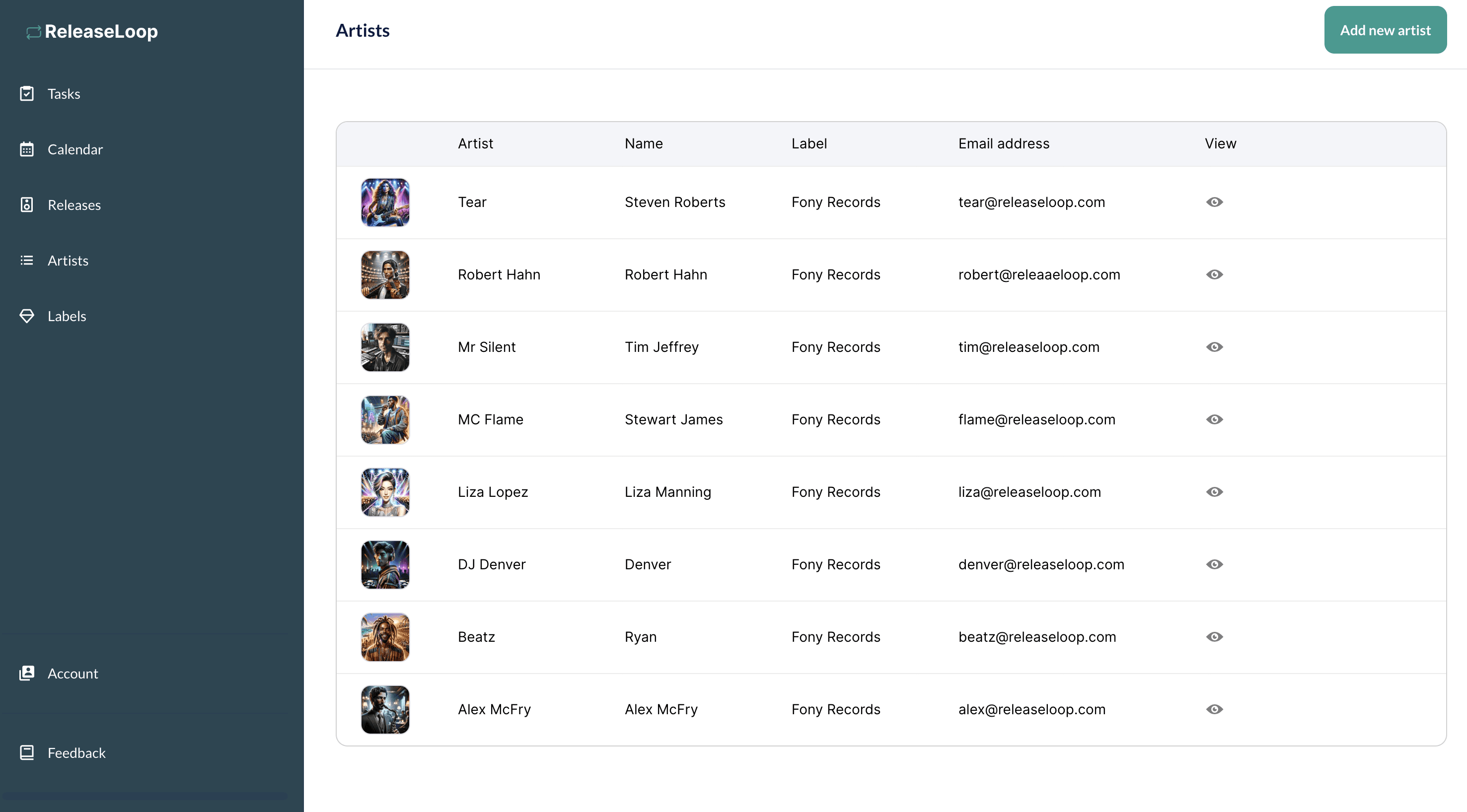
    First off, a robust Contact Management system is the cornerstone of any effective CRM. It’s not just about storing emails and phone numbers. You’re looking for a holistic overview that integrates everything from social media profiles to detailed notes on interactions. This feature is your command center, offering insights into who your audience is and what they care about. ReleaseLoop, for example, showcases how an artist-focused CRM can streamline storing artist data, including contracts, and present a high-level view of their releases. This centralization means less time digging through files and more time crafting strategies that resonate.

    Task and Project Management

    Forget about the juggling act. Task and Project Management within a CRM takes the chaos out of your daily operations. Whether it’s coordinating album releases or scheduling marketing campaigns, having all your tasks in one place allows for seamless collaboration and ensures nothing falls through the cracks. For record label owners, this means a clearer picture of where each artist stands and how best to support their journey. Efficient project tracking aids in aligning marketing efforts with album releases, maximizing impact.

    Integration with Social Media Platforms

    Finally, the modern music scene thrives on social media. A great CRM for artists will offer Integration with Social Media Platforms, making it simpler to connect with fans and analyze engagement. Directly see which posts are hitting the mark and which ones aren’t, and adjust your strategy on the fly. This integration also means you can automate updates and announcements, keeping your audience engaged without adding extra hours to your day.

    Implementing these key CRM features effectively can steer you away from common mistakes, like failing to understand your audience or missing critical project deadlines. With the right CRM, you’re not just managing tasks; you’re deepening connections and paving the way for your artists’ success.

    Choosing the Right CRM for Artists

    Assessing Your Needs and Goals

    Before diving into the world of Customer Relationship Management (CRM) systems, it’s crucial to take a step back and evaluate what you’re looking to achieve. First off, identify the pain points in your current workflow. Are you struggling to keep track of fan interactions? Is engaging with your audience on social media platforms becoming overwhelming? Or perhaps, you’re finding it hard to analyze the effectiveness of your marketing campaigns. Pinpointing these issues will guide you towards a CRM that addresses your specific needs.

    Understanding your goals is another key aspect. Are you aiming to increase your fan base, boost engagement, or streamline communication within your team? Different CRMs offer varied features, so knowing your endgame can significantly narrow down your options.

    Avoid the common mistake of choosing a CRM based on popularity alone. Just because a particular system is well-liked in the industry doesn’t mean it’s the right fit for your label.

    Researching CRM Options

    Once you’ve laid out your needs and goals, it’s time to start your research. Look into CRM systems that are specifically designed for the music industry or offer customization options that cater to artists. Reading reviews and case studies can provide insight into how other record labels have benefited from their CRM systems. This research will help you understand the capabilities and limitations of each option.

    It’s also worth checking out forums and social media groups where industry professionals discuss their experiences with CRMs. These platforms can offer unfiltered opinions and tips on getting the most out of specific systems.

    A common misconception is that all CRMs are essentially the same. This isn’t the case. Some CRMs might excel at managing contact information but fall short in analytics and reporting. Ensure you’re looking into each system’s strengths and weaknesses as they relate to your needs.

    Comparing Features and Pricing

    When you’ve shortlisted a few CRMs, it’s time to compare their features and pricing. Key features to look out for include:

    • Contact Management: The ability to organize and manage fan information effectively.

    • Task and Project Management: Tools to help manage your team’s workload and collaborations.

    • Integration: The CRM should seamlessly integrate with social media platforms, email marketing tools, and other software your label uses.

    • Analytics and Reporting: Insights into fan behavior, campaign performance, and other metrics crucial for making informed decisions.

    Don’t overlook the importance of scalability. Your chosen CRM should be able to grow with your label, accommodating an expanding fanbase and evolving business needs.

    Pricing models vary widely among CRM platforms, so it’s essential to understand what you’re getting for your money. Consider the long-term costs and ensure there are no hidden fees for additional features or increased usage over time.

    One common error is prioritizing price over functionality. While budget is certainly an important factor, skimping on essential features to save money can be counterproductive. It might lead to the need for switching platforms later on, which can be both disruptive and costly.

    By thoroughly assessing your needs, researching your options, and carefully comparing features and pricing, you’ll be well on your way to choosing a CRM that can significantly boost the success of your artists.

    Implementing and Using a CRM for Artists

    Setting Up the CRM

    Setting up your CRM correctly from the get-go is crucial. Choose a CRM that aligns with your specific needs—think about the size of your artist roster and the level of detail you want in tracking their progress and interactions. Start by importing your existing contacts. This might include artists, producers, venue managers, and anyone else crucial in your network. Ensure that your data is clean and organized before import to avoid headaches down the line.

    Create a structured process for data entry to maintain consistency. This could involve standardized naming conventions for contacts and detailed notes on interactions. Setting up these processes might feel tedious at first but they’re invaluable for keeping your CRM effective and user-friendly.

    Training and Onboarding

    Even the best CRM system won’t boost your success if your team doesn’t know how to use it effectively. Training and onboarding are essential steps that are often overlooked. Consider offering different training sessions tailored to the various roles within your label. For instance, your marketing team may need to understand how to integrate social media insights, whereas your A&R team might focus more on accessing detailed artist information and analytics.

    Invest in regular training updates. CRMs evolve, gaining new features and functionalities that can benefit your label if you know how to use them. Encouraging a culture of continuous learning around your CRM can significantly boost its value to your business.

    Utilizing CRM Features for Maximum Benefit

    To truly leverage your CRM, dive deep into its features. Here are a few ways how:

    • Contact Management: Beyond just storing contact information, use your CRM to track every interaction with contacts. This could mean logging calls, emails, and meetings, giving you a 360-degree view of your relationship history.

    • Task and Project Management: Use your CRM to assign tasks related to your artists, such as follow-ups, contract renewals, or promotional activity planning. This ensures that nothing falls through the cracks and helps keep your team accountable.

    • Integration with Social Media Platforms: Track your artists’ social media engagement directly from your CRM. This lets you tie social media performance to specific promotional activities or other efforts, offering insights into what’s working.

    • Analytics and Reporting: Use your CRM’s reporting tools to gain insights into your operations. This could involve analyzing which communication channels are most effective, which artists are generating the most engagement, or where your team’s efforts are best spent.

    Avoid common pitfalls by regularly cleaning your CRM data, ensuring information is current and accurate. Also, be wary of overloading your team with CRM tasks—balance is key. Your CRM should be a tool that enhances productivity, not a burden that slows you down.

    By carefully setting up your CRM, ensuring your team is adept at using it, and leveraging its full suite of features, you’re positioning your label to capitalize on its many benefits. Remember, the goal is to make your operations more efficient, to deepen your insights into your artists and market, and eventually, to boost the success of your artists.

    Conclusion

    Embracing the right CRM system is pivotal for artists and record labels aiming to streamline operations and enhance their market understanding. By carefully selecting a CRM that aligns with your specific needs and goals, you’re setting the stage for improved efficiency and deeper insights into your audience. Remember the importance of a thorough setup and ongoing training to maximize the benefits of your chosen system. Leveraging CRM features effectively can transform your operations and significantly contribute to your success in the competitive music industry. So take the step today to invest in a CRM that offers more than just contact management—choose one that propels your artist success to new heights.

  • Master Your Music: How to Effectively Plan Your Album Release

    Planning the release of an album is like orchestrating a grand performance where every detail counts. You’re not just dropping a collection of songs; you’re launching an experience that could define your career. It’s a thrilling journey that requires meticulous planning, strategic timing, and a splash of creativity. Whether you’re a seasoned artist or a budding talent, mastering the art of album release is crucial in modern digital era. From crafting a captivating narrative around your music to leveraging social media for buzz, every step is a piece in the puzzle of success. Let’s jump into how you can effectively plan your album release, making sure your music not only reaches but resonates with your audience.

    Understanding the Importance of Release Planning

    When you’re gearing up to release an album, understanding the significance of release planning can’t be overstated. It’s much more than simply choosing a date and putting your music out there. A well-considered plan gives your album the best chance to make its mark, resonate with your audience, and achieve your career goals.

    One common mistake is underestimating the time needed for promotion before the release. You might think a couple of weeks of buzz is enough but giving yourself a minimum of three months allows for broader exposure and anticipation to build. This period is crucial for engaging with music blogs, landing playlist spots, and even tweaking your strategy based on the initial response.

    Another misconception is that once the album drops, the work is done. In truth, that’s when things really start. Post-release promotion, through tours, music videos, or fan engagement on social media, is vital in maintaining momentum and interest in your project.

    Here are some practical tips to sidestep these pitfalls:

    • Plan Early: Set your release date and work backward, creating a timeline that includes promotion, production, and distribution milestones.

    • Set Goals: Understand what you want to achieve with this release. Is it more streams, a specific chart position, or critical acclaim? Your goals will guide your strategy.

    • Engage Your Audience: Use teasers, singles, and behind-the-scenes content to build interest and connection with your listeners before the album is out.

    • Leverage Social Media: Platforms like Instagram, TikTok, and Twitter are invaluable for creating buzz. Tailor your content to each platform to maximize engagement.

    • Focus on Post-Release: Plan your post-release activities, such as concerts, live Q&As, or release parties, to keep the conversation going.

    Different strategies apply depending on your genre, audience, and resources. If you’re an independent artist, grassroots and social media strategies might be your focus, whereas labels might engage in more extensive media campaigns. Remember, flexibility in your plan allows you to adapt to feedback and unexpected opportunities.

    Setting Goals and Defining the Vision

    Planning the release of an album is a monumental task that requires a clear vision and well-defined goals. By understanding what you want to achieve and who you’re targeting, you can tailor your strategy to ensure your album not only reaches its audience but also makes a lasting impact. Let’s jump into the essential steps to get there.

    Establishing the Purpose of the Album

    First up, it’s crucial to ask yourself, “What’s the purpose of this album?” Is it to introduce your label’s sound to a wider audience, to showcase a specific artist’s evolution, or perhaps to make a statement in a particular genre? Your album’s purpose will guide every decision you make, from the tracks you include to the promotional channels you leverage.

    A common mistake is to think that the album’s purpose is self-evident, especially if you’re deeply involved in its creation. Remember, your audience isn’t in your head. Make the purpose clear not just within your team but also in how you present the album to the world.

    Practical Tip: Define the album’s purpose in a single sentence and let that statement guide your promotional efforts.

    Identifying the Target Audience

    Knowing your target audience is half the battle won. Are they die-hard fans of the genre, casual listeners, or music critics? The more precisely you can pinpoint your audience, the more effective your marketing efforts will be.

    A common misconception is assuming a “one-size-fits-all” approach will work. But, the truth is, different segments of your audience will engage with your album in various ways. Some might prefer physical copies, while others stream music online. Tailor your approach to suit these preferences.

    Practical Tip: Use social media analytics and fan surveys to gain insights into your audience’s habits and preferences.

    Defining Success Metrics

    Finally, how will you measure the success of your album’s release? Setting clear, attainable metrics is key. These could range from streaming numbers and social media engagement to press coverage and live show attendance.

    One mistake to avoid is focusing solely on one metric, like streaming numbers. Remember, a successful album release is multi-faceted and should also consider engagement and brand building.

    Practical Tip: Set a mix of both quantitative (e.g., album sales) and qualitative (e.g., fan feedback) metrics to get a comprehensive view of your album’s success.

    By meticulously setting your goals, understanding your audience, and defining clear success metrics, you’ll not only ensure a more streamlined album release but also lay the groundwork for sustained success. Remember, a well-planned release is a powerful tool in making sure your album gets the attention it deserves.

    Creating a Realistic Timeline

    When you’re gearing up to release an album, time is of the essence. But how much time do you actually need? Crafting a realistic timeline can sometimes feel like solving a puzzle with missing pieces. Let’s jump into how you can piece this puzzle together, ensuring your album release is as smooth and successful as possible.

    Researching Industry Standards and Trends

    To kick things off, you might wonder, “What’s the norm in the industry?” Well, there’s no one-size-fits-all answer, but understanding industry standards and trends is crucial. Start by looking at successful album releases in your genre. How long did these artists take to move from songwriting to release? Keep an eye on trends, too. For example, shorter production timelines might be trending in electronic music, while rock genres may lean toward longer gestation periods.

    Don’t fall into the trap of thinking you have to follow these timelines to the letter. They’re more like guidelines, giving you a ballpark figure to start with. Just remember, every artist’s journey is unique.

    Allocating Sufficient Time for Songwriting and Production

    Let’s talk about the backbone of your album: songwriting and production. Rushing through these can lead to subpar results. It’s like baking a cake; you wouldn’t crank the oven to its highest setting to bake it faster, right? Allocate a realistic timeframe for these creative processes, giving yourself room to explore, experiment, and refine.

    A common mistake here is underestimating the time needed for revisions and feedback. Build in extra days or even weeks ensuring you’re not cutting corners just to meet a self-imposed deadline.

    Allotting Time for Pre- and Post-Production Activities

    Pre- and post-production activities are often overlooked, yet they can make or break your album’s success. Pre-production includes demoing tracks, finalising the tracklist, and sorting out logistics for recording. Post-production, on the other hand, covers mixing, mastering, and any final tweaks.

    A tip to avoid common pitfalls is to clearly outline these phases in your timeline. Allocate more time than you think you’ll need for post-production – it’s not just a final check but a crucial stage where your album gets polished to shine.

    Remember, building buzz with pre-release singles, engaging with your audience on social media, and sending your album out for reviews also falls into this category. These activities require time but are instrumental in ensuring your album catches the right ears.

    Eventually, creating a realistic timeline for your album release is about balance. Lean too heavily on industry trends without considering your unique situation, and you risk burnout or a rushed project. Ignore these components, and you might find yourself out of sync with your audience’s expectations. Strike the right balance, and you’ll pave the way for a release that resonates with your fans and sets the stage for your continued success.

    Developing a Marketing Strategy

    When you’re gearing up for the album release, it’s crucial to have a solid marketing strategy in place. This isn’t just about making noise; it’s about creating a connection with your audience and ensuring your music finds its way to their playlists and hearts. Let’s jump into how you can build buzz, leverage social media, and collaborate with influencers and industry partners to amplify your reach.

    Building Buzz and Excitement Before the Release

    The months leading up to your album release are golden for drumming up anticipation. Start early by sharing behind-the-scenes content. This could be snippets from recording sessions, stories about what inspired your songs, or glimpses into the artwork process. It’s all about storytelling and making your audience feel they’re part of the journey. Here’s where many slip up: they assume if they talk about their project too early, people will lose interest. But, this phase is your opportunity to deepen the connection and keep your audience engaged and eager for the release.

    • Tease new tracks with short clips or acoustic versions.

    • Initiate countdowns for single or video releases leading up to the album launch.

    • Host live Q&A sessions to discuss the upcoming album and build personal connections with your fans.

    Leveraging Social Media Platforms

    Social media is your powerhouse. It’s direct, it’s personal, and when used correctly, incredibly effective. But, don’t make the mistake of treating all platforms the same. Each has its vibe and audience preferences.

    • Instagram is great for photo teasers, stories, and live sessions.

    • Twitter can be your go-to for real-time updates, conversations, and link sharing.

    • Facebook excels with events and longer form content.

    • TikTok offers a playground for creativity, with short video clips that can go viral and reach beyond your existing audience.

    Experiment with paid ads to target potential fans based on their interests and listening habits. Remember, consistency is key across all platforms, but tailor your message and presentation to fit the unique character of each.

    Collaborating with Influencers and Industry Partners

    Building relationships with influencers and industry partners can pave the way for some powerful collaborations. Yet, there’s a common misconception that you should only reach out to those with massive followings. Micro-influencers, those with smaller but highly engaged audiences, often yield better results. They can:

    • Share your music in a way that feels more personal and authentic to their followers.

    • Host giveaways or contests, with your album or merchandise as prizes, creating a buzz.

    • Feature in your behind-the-scenes content, offering a fresh perspective and new audience.

    Similarly, partnering with music blogs, online zines, and listening session platforms can introduce your music to avid music listeners who trust these sources. Pitch your album with a unique angle tailored to each partner’s audience.

    Remember, effective marketing doesn’t scream for attention; it builds relationships and tells a story that resonates. Your album isn’t just a collection of songs; it’s an experience, a journey you’re inviting your audience into. Keep your strategy focused, genuine, and engaging.

    Crafting a Strong Pre-Release Campaign

    When you’re gearing up to launch an album, nailing your pre-release strategy can mark the difference between a chart-topper and a flop. It’s all about building momentum, creating anticipation, and ensuring that your audience is as excited about the drop as you are. Let’s jump into the essentials of a robust pre-release campaign.

    Releasing Singles and Music Videos

    Dropping singles and music videos ahead of the album release has become a tried-and-tested strategy. It’s not just about giving your audience a taste of what’s to come; it’s about generating buzz and making sure your tracks find their way onto playlists and social feeds well in advance.

    Mistake to Avoid: Don’t release too many singles. You might think flooding the market will garner more attention, but it can actually dilute the impact of each release. A rule of thumb is to pick two or three of your strongest tracks and focus your efforts on those.

    When It Works Best: This strategy shines for albums with diverse sounds or genres. Highlighting different aspects of your album through varied singles can attract a broader audience.

    Organizing Fan Engagement Activities

    Engaging with your fans doesn’t just keep them excited; it converts them into advocates for your music. Consider holding contests, behind-the-scenes live streams, or Q&A sessions. These activities not only maintain interest but also deepen your connection with your audience.

    Common Misconception: Many think fan engagement is just about posting on social media. While social platforms are critical, diversifying your engagement methods can lead to stronger and more meaningful connections.

    Practical Tip: Tailor your engagement activities to match your audience’s preferences. If your fans are avid Instagram users, leverage IG Live sessions. If they prefer Twitter, consider organizing a Tweet-a-thon with exclusive album insights.

    Securing Media Coverage and Interviews

    Getting the press to talk about your album is invaluable. Securing interviews, reviews, and mentions can elevate your album’s profile and reach audiences beyond your existing fanbase.

    Mistake to Avoid: Don’t wait till the last minute to reach out to media outlets. Journalists and bloggers are swamped with pitches. Give them a heads up weeks, or even months, in advance, and provide exclusive listening opportunities to make your pitch stand out.

    When It Works Best: This approach is particularly effective for concept albums or releases that have a strong narrative. Media outlets love a good story, and if your album has one, it could significantly boost your coverage.

    Crafting a pre-release campaign is an art and a science. It’s about blending strategic releases with engaging content and media savvy. By avoiding common pitfalls and tailoring your approach to your album’s strengths and your audience’s preferences, you’ll set the stage for a successful launch.

    Coordinating the Album Release

    Successfully launching an album involves several pivotal steps, each contributing to the overall impact and success of the release. From choosing the right release date to planning a memorable launch event and coordinating the logistics of distribution, every aspect needs careful consideration and strategic planning.

    Choosing the Right Release Date

    Picking the perfect release date for your album might seem like finding a needle in a haystack, but it’s all about understanding your audience and the music industry calendar. Avoid releasing your album during crowded periods, such as the holiday season, unless your genre aligns with holiday themes. Also, consider significant dates that resonate with your audience or relate to the theme of your album.

    Common Mistakes:

    • Overlooking other industry events or releases that could overshadow your album.

    • Ignoring the time required for promotional activities before the launch.

    Tips to Avoid Errors:

    • Research industry events and other major releases to avoid date clashes.

    • Allow ample time for pre-release promotion to build anticipation.

    Planning a Memorable Album Launch Event

    The album launch event is your opportunity to make a statement. It’s not just about playing music; it’s about creating an experience that attendees will associate with your album. Whether it’s a live concert, an intimate listening party, or a virtual event, the key is to ensure it’s memorable and engaging.

    Variations:

    • Live concerts: Ideal for a strong, loyal fanbase and can generate significant buzz.

    • Listening parties: Suitable for a more intimate experience, focusing on the album’s artistry.

    • Virtual events: Accessible for a broader audience and can incorporate interactive elements to keep attendees engaged.

    Common Misconceptions:

    • That extravagant events are always better. Sometimes, simpler, more intimate events can have a more profound impact.

    Tips:

    • Tailor the event to reflect the album’s theme and your artistic identity.

    • Engage with attendees through Q&A sessions, merchandise giveaways, or exclusive content reveals.

    Coordinating Physical and Digital Distribution

    The final step in the album release process is ensuring your music reaches your audience, both physically and digitally. Today, balancing physical formats like vinyl and CDs with digital platforms like streaming services is crucial.

    Common Mistakes:

    • Neglecting the resurgence in popularity of physical formats.

    • Underestimating the time it takes for physical production and distribution.

    • Start the production of physical formats early to avoid delays.

    • Establish relationships with streaming platforms and digital distributors to ensure your album is available on release day.

    • Offer pre-orders for physical copies, which can help gauge interest and manage inventory.

    Conclusion: While digital distribution allows for broader, instant access, don’t overlook the value that physical copies bring to true fans and collectors. By combining both strategies, you can maximize reach and engagement, catering to all segments of your audience.

    Remember, successfully launching an album is a multifaceted process that requires careful planning and coordination. By avoiding common pitfalls and tailoring your approach to your strengths and your audience’s preferences, you can set the stage for a successful release.

    Evaluating and Adjusting the Plan

    After you’ve kicked off your album release campaign, it’s crucial not to just set it and forget it. The music industry is dynamic, and your strategies should be too. Here’s your guide to staying adaptable and responsive throughout your release journey.

    Monitoring and Analyzing Feedback and Data

    Your first step in keeping your album release on track is to closely monitor feedback and analyze data. In modern digital era, there’s a wealth of information at your fingertips. Streaming platforms, social media analytics, and website traffic can all provide insights into how your music and promotional efforts are being received.

    Key Points:

    • Keep an eye on streaming numbers and playlist placements: These can give you an idea of how your music is performing across different platforms.

    • Social media engagement is a goldmine for feedback. Positive comments, shares, and likes are good indicators that your audience is vibing with your album.

    • Website traffic: Tools like Google Analytics can show you which parts of your campaign are driving fans to your site.

    One common mistake is ignoring negative feedback or dismissing it as haters. Constructive criticism can be invaluable in fine-tuning your approach. Engage with your audience, ask questions, and show you’re listening.

    Making Necessary Adjustments to the Marketing Strategy

    Based on the feedback and data you’ve gathered, don’t be afraid to make tweaks to your marketing strategy. This could mean shifting focus between platforms, changing up your content, or even adjusting your release timetable.

    Practical Tips:

    • If a particular single isn’t performing as expected, consider pushing another track that might resonate more.

    • If certain types of content (like behind-the-scenes videos) are getting more engagement, produce more of them.

    • Stay flexible with your budget allocation. Be ready to invest more in platforms or methods that are giving you the best ROI.

    A common misconception is that once a marketing plan is set, it’s final. The truth is, being adaptive can make the difference between a good album launch and a great one.

    Continuously Engaging with Fans and Building a Long-Term Plan

    Engagement shouldn’t stop once the album is out. Continuous interaction with your fans keeps the momentum going and lays the groundwork for long-term success. Here’s how to keep the conversation going and plan for the future.

    Engagement Strategies:

    • Regularly update your social media with interesting content related to your album.

    • Host live sessions to talk about your music, answer fan questions, and share stories.

    • Run contests or giveaways to keep your audience engaged and excited.

    In terms of planning, think beyond the album release. Consider your next projects, live shows, or collaborations that can keep your audience engaged. Building a long-term plan with milestones can help you maintain visibility and relevance.

    • Don’t disappear after the album drops. Failing to maintain engagement can cause your momentum to plateau.

    • Don’t be too promotional. Balance your content between promotional posts and genuine interaction.

    By following these strategies, you’ll not only maximize the impact of your album release but also solidify your artist’s presence in the highly competitive music market. Remember, success is not just about releasing great music; it’s about making sure it reaches and resonates with your audience. Continuously evaluate, adjust, and engage to keep your music in the hearts and playlists of your fans.

    Conclusion

    Releasing an album is a monumental task that requires meticulous planning and execution. By following the strategies outlined, you’ve got a roadmap to not just launch your music but to ensure it thrives in a competitive market. Remember, it’s about more than just the music—it’s about crafting a story that resonates, building lasting relationships with your audience, and continuously adapting to feedback and trends. Your album’s release is the beginning of a journey. Embrace the process, stay engaged with your fans, and keep your eyes on the long-term goals. With dedication and the right approach, your music can leave a lasting impact. Here’s to your success and the exciting path ahead.

  • Music Release Calendar Guide: Unlock Your Success in the Industry

    Ever wondered why some songs become summer anthems while others capture the introspective mood of winter? Timing is key, and with the right strategy, your music can hit the sweet spot, resonating with listeners and climbing charts. A music release calendar isn’t just a schedule; it’s your roadmap to success. Let’s immerse and discover how you can make the most of it.

    The Importance of Planning Your Music Releases

    Understanding the ins and outs of strategic planning for your music releases can be a game-changer. As a record label owner, your mission is to not only discover and nurture talent but also to ensure that the music reaches the widest possible audience at the most opportune time. Let’s jump into why meticulous planning of music releases is paramount and how to leverage it for maximum impact.

    Building Anticipation and Buzz

    Creating a sense of anticipation is essential for a successful music release. Imagine you’re telling a story where each chapter is meticulously crafted to entice the reader to crave more. This is what a well-planned release does for your artists’ music. It’s about generating excitement and buzz before the music even hits the airwaves. Here’s how you can achieve that:

    • Teasers and Previews: Share snippets of upcoming releases on social media or via email newsletters to spark curiosity.

    • Engage with Fans: Let the artist interact with their fanbase through Q&A sessions, live streams, or behind-the-scenes content related to the upcoming release.

    • Countdown Campaigns: Carry out countdowns across your platforms to build momentum as the release date approaches.

    A common mistake is overdoing the promotional content, which can lead to audience fatigue. To avoid this, ensure your teasers are spread out and consistently bring new, engaging elements to the table.

    Maximizing Exposure and Opportunities

    Releasing music strategically can significantly amplify its exposure and open up numerous opportunities. Key release dates, understanding your audience’s consumption habits, and tapping into analytics can inform when and how you release music. Here’s what you need to focus on:

    • Release Windows: Identify periods when your target audience is most active and receptive. For example, summer might be ideal for upbeat tracks, while quieter months could be perfect for introspective albums.

    • Cross-Promotion: Collaborate with influencers, other artists, or brands that share your target demographic to expand your reach.

    • Leverage Data: Use streaming and social media analytics to understand where your audience is and what they want. This data can guide not just the timing but the platforms you prioritize for each release.

    A common oversight is sticking rigidly to traditional release days (like Fridays for music) without considering if that’s when your audience is actually listening. By analyzing trends and data, you might find that a Tuesday release—or even a series of staggered releases—works better for your artists and their fans.

    Finally, don’t underestimate the power of flexibility in your planning. While it’s crucial to have a roadmap, being able to pivot and adapt to unforeseen circumstances (like a global event affecting listener habits) can ensure that your releases capture attention and maximize their potential.

    Steps to Create Your Music Release Calendar

    Set Clear Goals and Objectives

    Before you jump into planning your music release calendar, it’s crucial to outline what you want to achieve. Think beyond just dropping an album or a single. Are you aiming to increase your streaming numbers? Or maybe you want to grow your fanbase in a specific region? Setting clear goals and objectives from the get-go will guide your strategies and help you measure success down the line.

    A common pitfall here is setting goals that are too vague or too ambitious. You’ll want to aim for objectives that are specific, measurable, achievable, relevant, and time-bound (SMART). For example, instead of saying you want to “gain more fans,” set a goal to increase your Instagram followers by 15% within three months of your release.

    Research and Analyze the Market

    Understanding the current music landscape is vital. This means keeping an eye on what’s trending, knowing when your competitors are planning their releases, and identifying potential collaboration opportunities. Tools like Spotify for Artists and Chartmetric can offer deep insights into listener habits and preferences.

    Don’t overlook the importance of choosing the right release dates. Dropping a summer hit? Aim for months where listeners are on the hunt for upbeat, warm-vibes music. Releasing a cozy, introspective album? Fall or early winter might be your best bet.

    A common mistake here is not recognizing the diversity within your target market. Different segments of your audience may engage with your music in distinct ways and places. Align your release and promotional efforts to cater to these varying preferences.

    Establish a Release Schedule and Timeline

    After setting your goals and doing your market research, it’s time to create a detailed release schedule. This should include not just the release date, but all the pre-release and post-release activities. Think teasers, single releases, video drops, and promotional events.

    It’s easy to underestimate the time needed for each phase of your release. For instance, promotion shouldn’t start a week before your drop date. Ideally, you’ll want to begin generating buzz at least six to eight weeks in advance. Similarly, allocate ample time after the release date for engaging with your audience and capitalizing on the momentum you’ve created.

    Your release timeline should be flexible. While it’s important to stick to your plan, be ready to pivot when things don’t go as expected. Maybe a collaboration falls through, or perhaps a major event overshadows your release window. Adaptability will ensure you maximize the impact of your music release.

    By following these steps and learning from common mistakes, you’ll be better positioned to plan a music release calendar that aligns with your goals, resonates with your audience, and eventually, drives your success in the music industry.

    Selecting the Right Distribution and Promotion Channels

    Navigating the maze of distribution and promotion channels for your music release can feel overwhelming. Yet, it’s crucial for getting your music into the ears of listeners and ensuring your release hits the mark. Let’s break down the essentials to make this process smoother for you.

    Choosing the Appropriate Streaming Platforms

    Not all streaming platforms are created equal, and your target audience’s preferences should guide your choices. Spotify, Apple Music, and Tidal each have unique features and user bases, influencing where your music might perform best.

    • Spotify is renowned for its algorithmic playlists and discovery features, making it a powerhouse for new music discovery.

    • Apple Music offers exclusive content and integrates seamlessly with Apple’s ecosystem, appealing to brand loyalists.

    • Tidal prides itself on high-quality audio streams, attracting audiophiles.

    Common Mistake: Casting the net too wide. It’s tempting to distribute your music on every platform possible, but this can dilute your promotional efforts. Focus on platforms where your audience is most active.

    Tip: Use analytic tools provided by these platforms to gauge where your music is gaining traction and adjust your strategy accordingly.

    Leveraging Social Media Platforms

    Social media isn’t just for selfies and memes—it’s a critical tool for music promotion. But, each platform serves different purposes and reaches varying demographics.

    • Instagram is visually driven, ideal for sharing behind-the-scenes content, short clips, and engaging with fans via stories and reels.

    • Twitter offers a platform for real-time engagement, perfect for announcements and conversations with your audience.

    • TikTok has emerged as a powerful tool for music discovery, where viral challenges can catapult a song to global fame.

    Common Mistake: Overlooking the content’s nature. Each social media platform has its own vibe and preferred type of content. Rehashing the same content across all platforms without tailoring can result in lower engagement.

    Tip: Keep an eye on trending hashtags and challenges, especially on TikTok, to see how your music can naturally fit into these trends.

    Utilizing Influencer Marketing and Collaborations

    Influencer marketing can amplify your reach exponentially, but it’s not just about picking anyone with a large following. Authenticity and alignment with your brand are key.

    • Collaborate with influencers who genuinely enjoy your music or share a similar aesthetic. Their endorsement will feel more genuine to their followers.

    • Consider micro-influencers in your genre. They often have highly engaged audiences, even if their follower count is smaller.

    Common Mistake: Underestimating the power of micro-influencers. Many assume that only influencers with massive followings can make an impact, which isn’t the case.

    Tip: Negotiate and structure collaborations creatively. Beyond just asking for a shoutout, think about exclusive preview releases, behind-the-scenes access, or even co-creating content.

    Each of these steps requires thoughtful consideration and strategic planning. By choosing the right distribution and promotion channels and avoiding common pitfalls, you’re setting your music release up for greater success.

    Creating Compelling and Consistent Visuals and Branding

    In today’s music industry, standing out is just as crucial as the music itself. Effective visuals and branding can elevate your artist’s profile, making a significant impact on how your music is perceived and consumed. Let’s jump into how you can leverage visuals to your advantage.

    Designing Eye-catching Album Covers and Artwork

    First off, your album cover is often the first interaction fans have with your music. It needs to grab attention, convey the mood of the album, and be memorable. When designing album covers, it’s essential to work with professional designers who understand the music industry’s nuances. They should reflect the artist’s personality and the music’s vibe. But, a common mistake is to overcrowd the cover with too much information or imagery. Keep it simple, bold, and direct.

    To stand out, consider these points:

    • Use vibrant colors or unique textures to catch the eye.

    • Ensure the artist’s name and album title are legible across various digital platforms.

    • Think about how the design translates to merchandise, such as T-shirts and posters.

    Crafting Engaging Visual Content for Social Media

    Social media is a battleground for attention. Your visuals here need to not only capture attention but also encourage engagement. Crafting visuals for social media involves more than just static images. You’re looking at a mix of content types – from video clips and animated graphics to behind-the-scenes photos.

    A common mistake is inconsistency in visual style, which can confuse your audience about your brand. Establish a visual theme or style guide to maintain consistency across all posts. You should also tailor content to fit each platform’s unique strengths – Instagram is great for high-quality photos, while Twitter is ideal for engaging through GIFs and short clips.

    Here are a few tips to keep in mind:

    • Invest in high-quality photoshoots that tell a story.

    • Use tools like Canva or Adobe Spark to ensure your graphics meet your brand’s visual standards.

    • Regularly engage with your audience through live sessions and stories.

    Developing a Cohesive Brand Identity

    A cohesive brand identity transcends visuals; it’s about creating a recognizable image that fans can identify across all touchpoints. This means consistent use of color schemes, typography, and logo treatment. But beyond the visuals, it’s about the tone of voice in your communications, the consistency in messaging, and how your music’s themes are reflected visually.

    One common mistake is not aligning the visual identity with the music’s personality. If your music is bold and edgy, but your visuals are soft and pastel, there’s a disconnect. Similarly, an evolving brand identity can be confusing. While it’s okay for your brand to evolve, drastic changes can alienate your existing fan base.

    To develop a cohesive brand identity, consider these strategies:

    • Build a brand mood board that includes colors, fonts, and imagery aligned with your music.

    • Keep communication style consistent across all platforms, reflecting the artist’s authentic voice.

    • Regularly review and update your brand guidelines to ensure they evolve with your music.

    Remember, your music release calendar isn’t just about when to drop tracks; it’s also about how you present your music to the world. Investing in compelling visuals and a consistent branding strategy is essential for building anticipation and creating a lasting impression with your target audience.

    Preparing Engaging Content and Marketing Campaigns

    In today’s music industry, it’s crucial to not only focus on the music but also how you present it to the world. Creating the right content and launching effective marketing campaigns can make all the difference. Let’s jump into how you can captivate your audience every step of the way.

    Writing Captivating Artist Biographies and Press Releases

    First things first, your artist biography and press releases are your introductions to the world. Think of them as your musical handshake. They should not only inform but also intrigue your audience. Avoid the common mistake of overloading these documents with mundane details or industry jargon. Instead, focus on what makes you or your artist unique. What’s your story? Why should people care about your music?

    To avoid falling into the trap of sounding like everyone else, inject personality into your writing. Are you a rebel at heart, or perhaps a soulful poet? Let that shine through. Another tip is to update your biography regularly. As you evolve as an artist, so should your story.

    Creating Engaging Music Videos and Lyric Videos

    Music videos and lyric videos are powerful tools to deepen your connection with your audience. They’re not just about playing music; they’re about telling a story and evoking emotions. Don’t worry, you don’t need a blockbuster budget. Creativity often trumps cash when it comes to effective music videos.

    A common mistake is prioritizing aesthetics over substance. Your videos should complement the music, not overshadow it. Whether you’re producing a high-concept piece or a straightforward performance video, make sure it aligns with your song’s message and tone.

    Lyric videos, on the other hand, offer a fantastic opportunity to engage listeners who love to sing along. They’re generally more cost-effective and can be just as captivating with the right design and animations. Think about how the visual elements can highlight the lyrics’ emotions and themes.

    Planning Exciting Pre-release Strategies and Teasers

    The period leading up to your music release is golden. It’s your chance to build anticipation, engage with fans, and ensure a successful launch. A key mistake to avoid here is revealing too much too soon. You want to tease your audience, not give everything away.

    Start with a clear timeline that outlines when and how you’ll release sneak peeks, behind-the-scenes content, or single tracks. Social media platforms are your best friend during this phase, offering a direct line to your audience. Use them to drop hints, share snippets, and even involve your fans in the lead-up to your release. Perhaps, create a countdown, host a Q&A session, or share exclusive previews with your most engaged followers.

    Remember, strategies vary depending on your music, audience, and resources. What works for a solo singer-songwriter might not suit a band or a DJ. Tailor your approach to fit your unique situation, and don’t be afraid to experiment.

    By focusing on these key areas, you’re setting the stage for a successful music release. Engaging content and smart marketing moves will not only attract attention but also keep your audience coming back for more. Remember, your ultimate goal is to create a lasting impression, turning casual listeners into devoted fans.

    Engaging with Fans and Building a Community

    In the music industry, the relationship between artists and their fans can’t be overstated. It’s this connection that often dictates the success of a music release. As a record label owner, fostering this bond should be at the forefront of your strategy. Let’s jump into some effective ways to strengthen this relationship.

    Hosting Virtual Live Events and Concerts

    Think of virtual events as your golden ticket to capturing the attention of fans worldwide. The beauty of these events lies in their accessibility. No matter where your fans are, they can tune in, creating a global community. Here’s the catch, though: not all virtual events are created equal.

    • Quality is key. Investing in good production value makes the event more enjoyable and keeps fans coming back for more.

    • Interactivity is a must. Use features like live chat or Q&A sessions to make fans feel a part of the experience.

    Remember, the goal is to create memorable experiences that fans will talk about long after the event.

    Responding to Fan Comments and Messages

    The common mistake here? Underestimating the power of direct interaction. When fans take the time to reach out, they’re seeking a connection. Ignoring these moments is a missed opportunity to deepen fan loyalty.

    Here’s how to nail it:

    • Be authentic. Automated responses can come across as cold. Personalize your interactions as much as possible.

    • Set aside time regularly. Consistency in responding shows that you value your fans’ input and time.

    This approach not only delights fans but also fosters a sense of community around your artists.

    Using Mailing Lists and Newsletters to Connect

    In the age of rapidly changing social media algorithms, mailing lists and newsletters are your reliable conduit to your audience. But, just sending out emails is not enough. The content needs to be engaging, informative, and, most importantly, desired by your subscribers.

    • Provide exclusive content. This could be early access to tickets, behind-the-scenes looks, or personal messages from the artists.

    • Segment your lists. Tailor your messages to specific groups within your audience for more personalized communication.

    • Regular but not intrusive. Find the sweet spot in your emailing frequency that keeps fans informed but not overwhelmed.

    Correctly utilized, mailing lists can be an incredibly powerful tool for building lasting relationships with your fanbase.

    By implementing these strategies, you’re not just promoting music; you’re creating a vibrant community that supports and uplifts your artists. Remember, in today’s music landscape, engagement is currency. Invest wisely.

    Conclusion

    Crafting your music release calendar is not just about dropping tracks. It’s about creating a journey for your fans, building anticipation, and ensuring your music finds its way to the ears of those who will love it most. By engaging with your audience, leveraging analytics, and planning strategically, you’re setting the stage for success. Remember, it’s the connections you foster and the community you build around your music that truly amplify your reach and impact. So, jump into the process with confidence, knowing you’ve got the roadmap to make your next release resonate more than ever.

  • Master Music Projects: Effective Management & Problem-Solving Tips

    Managing music projects can often feel like you’re trying to conduct an orchestra without a baton. It’s all about hitting the right notes at the right time, but without the proper tools and techniques, it can quickly turn into a cacophony. Whether you’re a seasoned producer or just starting out in the music industry, mastering the art of project management is crucial to your success.

    In the world of music, where creativity and deadlines are constantly at play, knowing how to effectively manage your projects can be the difference between a hit track and a missed opportunity. From organizing collaborations to keeping track of multiple tasks, effective project management ensures your projects not only start on a high note but also end with a standing ovation. Stick around, and you’ll discover the secrets to orchestrating your music projects with precision and flair.

    Setting Goals

    When managing music projects, setting clear, achievable goals is your roadmap to success. This section helps you understand how to define your project and identify objectives, ensuring each step you take is in the right direction.

    Defining the Project

    Start by asking the simple question: What do you want to accomplish? It sounds straightforward, but it’s easy to overlook. Your project could range from producing a single track to an entire album or organizing a multi-artist live show. Clearly defining your project sets the stage for everything that follows.

    A common mistake is setting vague goals. Saying “I want to produce a hit song” is great, but it’s not specific enough. Instead, focus on tangible outcomes, like “produce a 12-track album that integrates genres X and Y, ready for distribution by [specific date].”

    When defining your project:

    • Be as specific as possible with what you want to achieve.

    • Set a realistic timeline based on your resources.

    • Consider the scope of work and whether it’s achievable with your current team or if you need to expand.

    Remember, a well-defined project is the foundation of effective project management.

    Identifying Objectives

    After defining your project, break it down into smaller, measurable objectives. These objectives are the stepping stones towards achieving your broader goals. Identifying these requires understanding the nuances of your project and what success looks like at each stage.

    For instance, if your project is to release an album, objectives might include:

    • Completing songwriting for all tracks by a certain date.

    • Finalizing all recording sessions within three months.

    • Securing collaboration agreements with featured artists by next quarter.

    • Launching a marketing campaign two months before the release.

    A major misconception is confusing tasks with objectives. Tasks are the actions you take to meet your objectives. For example, hiring a mix engineer is a task to achieve the objective of finalizing recording sessions.

    Some tips for setting effective objectives:

    • Ensure they are SMART: Specific, Measurable, Achievable, Relevant, and Time-bound.

    • Prioritize objectives to keep your team focused on what’s most important.

    • Be flexible. Be ready to adjust your objectives as the project evolves.

    By identifying precise objectives, you create a clear path forward for your team. This clarity helps in allocating resources efficiently and keeps everyone aligned with the project’s ultimate goals. Whether you’re aiming to disrupt the music scene or achieve personal milestones, understanding how to set meaningful objectives is key to navigating the complexities of music project management.

    Assembling the Team

    When you’re diving into managing a music project, assembling the right team is crucial. It’s like piecing together a puzzle; each member needs to fit perfectly to bring your vision to life. Let’s break down how to gather a dynamic team that’ll lead your project to success.

    Roles and Responsibilities

    First up, identifying the key roles and responsibilities within your project is essential. Think of your team as a band – every member plays a unique part that contributes to the overall harmony. Here are some pivotal roles:

    • Producer: Oversees all aspects of the music creation process.

    • Audio Engineer: Handles the technical side, ensuring high-quality sound.

    • Marketing Manager: Develops strategies to promote your music.

    • Graphic Designer: Creates compelling visuals, from album covers to promotional materials.

    A common mistake is underestimating the importance of each role. Remember, leaving out a key player can lead to gaps in your project, affecting the final outcome. Define each role clearly and communicate expectations to avoid any confusion down the line.

    Recruiting Team Members

    Now that you know who you need, the next step is finding them. Recruiting the right team members is both an art and a science. You’re looking for skill, yes, but also for individuals who share your vision and passion. Here’s how to find them:

    • Networking: Attend music industry events and conferences. These are goldmines for talent.

    • Online Platforms: Use social media and websites like LinkedIn to reach potential candidates.

    • Referrals: Ask your network for recommendations. A good word goes a long way.

    A pitfall to avoid is hiring solely based on skill without considering personality and work ethic. A talented individual who can’t play well with others can derail your project. Prioritize individuals who bring both skill and a collaborative spirit to the table.

    Building a Collaborative Environment

    Creating a collaborative environment is the cornerstone of managing a successful music project. This involves more than just putting a group of people together; it’s about fostering a space where creativity thrives, and everyone feels valued. Carry out these practices:

    • Regular Meetings: Keep everyone on the same page with frequent check-ins.

    • Open Communication: Encourage team members to voice their ideas and concerns.

    • Mutual Respect: Ensure everyone’s contributions are acknowledged and appreciated.

    A common mistake is neglecting the team’s dynamic. Without a positive and collaborative atmosphere, creativity suffers, and so does your project. Focus on building a strong, cohesive team dynamic that encourages innovation and productivity.

    By understanding the roles and responsibilities, effectively recruiting team members, and fostering a collaborative environment, you’re setting your music project up for success. Each step is vital in creating a harmonious team that works seamlessly to bring your musical vision to life. Remember, the strength of your team directly influences the quality of your project, so invest time and resources into assembling the best team possible.

    Planning the Project

    When embarking on a music project, developing a solid plan is just as crucial as the creative process itself. Let’s jump into how you can craft a roadmap that not only aligns with your artistic vision but also ensures the project runs smoothly and efficiently.

    Creating a Project Timeline

    One of the first steps in planning your music project is to create a comprehensive timeline. This isn’t just about setting a release date; it’s about breaking down the entire process into manageable chunks. Start by working backward from your desired release date and allocate time for each phase of the project, including pre-production, recording, mixing, mastering, and marketing.

    Common Mistake: Underestimating the time needed for feedback and revisions. Always factor in extra time for these critical stages to avoid rush decisions or missed opportunities for improvement.

    Tip: Use a digital calendar or project management tool to visualize your timeline. This makes it easier to adjust deadlines and keep track of progress.

    Allocating Resources

    Resources aren’t just financial; they include your team’s time, studio availability, equipment, and any external services you might need, like graphic design or videography. A detailed budget should accompany your project timeline, outlining expected costs for each phase of the project.

    Misconception: The biggest expense is always the recording process. In reality, marketing and distribution can account for a significant portion of your budget, so allocate funds accordingly.

    Practical Tip: Prioritize your spending. Invest in high-quality recording and mixing since these elements greatly influence the final product’s quality. For non-essential services, consider cost-effective alternatives or negotiate trade-offs with professionals looking to expand their portfolios.

    Setting Milestones

    Milestones are critical markers of progress within your project plan. These aren’t just deadlines; they’re opportunities to review the project’s evolution, make adjustments, and celebrate achievements. Typical milestones include completing the songwriting phase, finalizing the tracklist, wrapping up recording sessions, and releasing singles.

    Error to Avoid: Setting unrealistic milestones. This can lead to unnecessary pressure and disappointment. Ensure your milestones are achievable and align with your timeline and resource allocation.

    Variation in Technique: Not all projects follow a linear path. In some cases, particularly with innovative or experimental projects, it might be beneficial to adopt a more flexible, iterative approach. This means setting smaller, more frequent milestones that allow for adjustments based on ongoing feedback and creative developments.

    By establishing a clear timeline, thoughtfully allocating resources, and setting realistic milestones, you’re laying a strong foundation for your music project. Remember, planning isn’t about restricting creativity; it’s about creating a framework that allows your creative vision to thrive.

    Communication

    When you’re in the trenches of managing a music project, nothing quite beats the power of clear, effective communication. It’s like the glue that holds everything together—from your artists to your production team and beyond. Let’s jump into some ways you can ensure your project’s communication is top-notch.

    Establishing Effective Channels

    First off, identifying the right channels for communication is crucial. In modern digital era, you’ve got a plethora of options at your fingertips. Email, messaging apps, project management tools… the list goes on. But here’s the kicker—not all channels work for everyone. Your goal? Find a mix that suits your team’s needs.

    • Email is great for formal updates and important announcements.

    • Messaging Apps (like Slack or WhatsApp) help quick, informal chats.

    • Project Management Tools (think Trello or Asana) help in tracking tasks and deadlines.

    A common mistake? Relying on just one channel. Spread your communication across multiple platforms to ensure no one misses out on crucial info. Experiment and adjust based on what’s working.

    Regular Team Meetings

    While digital communication rocks for day-to-day interactions, nothing quite replaces the good old face-to-face meeting (or a video call, if your team is remote). Regular catch-ups allow everyone to stay aligned, share updates, and tackle any issues head-on.

    Here’s the thing: schedule these meetings like clockwork. Whether it’s weekly or bi-weekly, consistency is key. And keep them efficient—no one wants a meeting that drags on forever without purpose.

    • Start with an agenda—know what you need to cover.

    • Encourage participation—get updates and input from everyone.

    • End with action items—ensure everyone knows their next steps.

    Avoid the trap of assuming everyone’s on the same page without these check-ins. They’re your reality check and a portal for creativity and problem-solving.

    Encouraging Open Communication

    This is where the magic happens. Creating an environment where everyone feels comfortable sharing ideas, concerns, and feedback can truly elevate your project. But it’s easier said than done. Here’s what can help:

    • Foster trust—show that you value everyone’s input, regardless of their role.

    • Be approachable—let it be known that your door (or inbox) is always open.

    • Celebrate transparency—acknowledge both successes and hiccups openly.

    A common pitfall? Ignoring the quieter voices. Make a conscious effort to involve everyone, especially those who might not be as vocal in group settings. Sometimes, a one-on-one chat can work wonders in understanding and empowering your team members.

    In essence, managing a music project effectively hinges greatly on how well you can communicate. By setting up reliable channels, keeping your team meetings regular and to-the-point, and fostering an atmosphere of open communication, you’re not just managing a project; you’re setting it up for success. Remember, it’s all about trial, feedback, and refinement. Keep your communication lines open and watch your project thrive.

    Managing Risks

    When you’re dealing with music projects, understanding and managing risks can be what sets you apart from the crowd. It’s all about foreseeing potential issues and having a plan to tackle them head-on. Let’s jump into how you can identify, plan for, and mitigate risks in your music projects.

    Identifying Potential Risks

    First things first, you’ve got to know what you’re up against. Risks in music projects can range from budget overruns and delayed timelines to creative disagreements and technical snafus. Identification is key, and here’s how you can do it:

    • Conduct a Risk Assessment: Gather your team and brainstorm all the things that could possibly go wrong. Think about financial risks, scheduling conflicts, and even potential legal issues. The goal here is to leave no stone unturned.

    • Use Historical Data: Look back at your previous projects. What went wrong? Learning from past mistakes is a powerful way to foresee future problems.

    • Consult Industry Peers: Sometimes, talking to others in your field can offer insights into common risks you might not have considered.

    Developing a Risk Management Plan

    Once you’ve identified the risks, it’s time to armor up. Developing a risk management plan involves:

    • Prioritizing Risks: Not all risks are created equal. Figure out which ones could have the most significant impact and tackle those first.

    • Creating Mitigation Strategies: For every risk identified, develop a strategy to either reduce its likelihood or lessen its impact. This could mean setting aside a contingency budget or having backup vendors at the ready.

    • Assigning Responsibility: Make sure everyone on your team knows who’s responsible for monitoring and managing each risk. Clarity is your best friend here.

    Remember, a good plan is flexible. Be ready to adapt as your project evolves.

    Monitoring and Mitigating Risks

    The final piece of the puzzle is keeping an eye on things as your project progresses. Monitoring and mitigating risks involve:

    • Regular Check-ins: Schedule periodic meetings dedicated solely to discussing risks and their status. This keeps risk management front and center.

    • Staying Nimble: Be prepared to pivot. If you see a risk escalating, don’t hesitate to carry out your mitigation strategies.

    • Learning and Documenting: Every project offers lessons. Make sure to document what worked and what didn’t for future reference.

    A common mistake is to think that once a risk management plan is in place, the work is done. The reality is, risk management is an ongoing process. It requires attention and action from start to finish. By staying alert and ready to tackle problems as they arise, you’ll not only avoid common pitfalls but also position your project for smoother sailing.

    Remember, managing risks isn’t about preventing every possible problem. It’s about being prepared so that when challenges do arise, you’re ready to handle them efficiently. With these strategies in hand, you’re well-equipped to navigate the uncertainties of managing music projects.

    Tracking Progress

    When you’re managing music projects, keeping an eye on progress is essential. It’s not just about crossing tasks off a list; it’s about understanding how each piece fits into the larger puzzle. Here’s how you can stay on top of things without getting lost in the details.

    Monitoring Team Performance

    First up, let’s talk about your team. Everyone has their strengths and their off days, but consistent monitoring can help you keep the balance right. Regular check-ins are crucial. These aren’t just about asking if tasks are completed; they’re opportunities to gauge morale, identify potential burnouts, and discover hidden challenges.

    A common mistake is to equate busy with productive. Just because your team’s always on the move doesn’t mean your project’s advancing at the pace you need. Carry out a system where outputs, not hours, are measured. Tools like Trello or Asana can help track who’s doing what, and when, without micromanaging.

    Documenting Progress

    Documenting progress goes beyond keeping a simple checklist. You’re creating a history of your project—something you can look back on to understand decisions, hurdles, and victories. It’s not just for you; it’s for everyone involved.

    Start with a centralized repository for all your documents, notes, and updates. Whether it’s a shared cloud storage or a dedicated project management app, make sure everyone knows where to find the latest info.

    A big misconception is that documentation needs to be lengthy to be effective. In truth, clear and concise beats long-winded every time. Use bullet points, visuals, and tables to make information digestible. And remember, regular updates are better than sporadic essays.

    Making Adjustments as Needed

    No plan survives contact with reality unscathed. That’s why being agile and ready to adjust is a superpower in project management. Keep a close eye on your project’s trajectory and be ready to pivot when necessary.

    Don’t fall into the trap of sticking to a plan just because it’s “the plan.” If data or feedback indicates a shift is needed, embrace it. This could mean reassessing timelines, reallocating resources, or even changing the project scope.

    Effective adjustments are data-driven. Regularly review performance metrics and feedback to identify what’s working and what isn’t. This helps you make informed decisions, rather than reactionary ones.

    The key to managing music projects effectively is a blend of vigilance and flexibility. By monitoring team performance, documenting progress accurately, and being ready to make adjustments, you’ll keep your project on track and your team motivated. Remember, every project is a learning opportunity. Use these experiences to refine your approach and become a more effective manager with each new venture.

    Dealing with Challenges

    Managing music projects isn’t always smooth sailing. Unexpected challenges can pop up at any turn. You might face issues ranging from budget constraints to creative differences. Let’s jump into some effective strategies to tackle these obstacles head-on.

    Problem-solving Techniques

    When problems arise, it’s crucial to stay calm and approach the situation methodically. Here’re a few techniques to help you navigate through:

    • Break Down the Problem: Sometimes, the issue at hand can seem overwhelming. Try breaking it down into smaller, more manageable parts. This simplification can make finding a solution much easier.

    • Root Cause Analysis: Identify the root cause of the problem instead of just treating the symptoms. Techniques like the “5 Whys” can be invaluable. By asking “why” five times, you’ll likely get to the heart of the issue.

    • Brainstorming Sessions: Two heads (or more) are better than one. Organize a brainstorming session with your team. You’d be surprised how a fresh perspective can bring about innovative solutions.

    A common mistake is to rush into fixing a problem without fully understanding it. Take your time to assess the situation thoroughly before taking any action.

    Conflict Resolution Strategies

    In any collaborative project, conflicts are bound to arise. Here’s how you can efficiently resolve them:

    • Open Communication: Encourage an environment where everyone feels comfortable voicing their opinions and concerns. Open communication is often the key to preventing minor issues from blowing out of proportion.

    • Find Common Ground: Focus on what everyone agrees on and build from there. This approach can shift the focus from conflict to cooperation.

    • Mediation: In some cases, bringing in an objective third party can help resolve disputes more effectively. A mediator can provide a neutral perspective and help a fair discussion.

    It’s a common misconception that avoiding conflict altogether is the best strategy. But, addressing it head-on, respectfully, and constructively can lead to growth and innovation.

    Seeking Support from Stakeholders

    Stakeholder support can be a game-changer, especially when facing significant challenges. Here are a few tips on how to seek their support:

    • Transparent Communication: Keep your stakeholders informed about the project’s progress, including any challenges you’re facing. Transparency builds trust and can open doors to unexpected support.

    • Leverage Their Expertise: Many stakeholders have been in the industry for years and likely faced similar challenges. Don’t hesitate to ask for their advice or assistance.

    • Highlight Benefits: When seeking support, frame your requests by highlighting how solving a particular challenge will benefit the project overall. This can make stakeholders more willing to offer their help.

    A common mistake is to view stakeholders purely as sources of funding. Remember, their experience and networks can be just as valuable, if not more so, than their financial support.

    By adopting these strategies, you can navigate the challenges of managing music projects more effectively. Remember, every problem has a solution. It’s all about approaching the situation with a calm, strategic mind and utilizing the resources at your disposal.

    Conclusion

    Mastering the art of managing music projects is about embracing the hurdles with a strategic mindset. Remember, staying calm and methodical in your approach is key. Use the techniques you’ve learned, from breaking down problems to engaging in productive conflict resolution. Don’t forget the power of open communication and leveraging the support of your stakeholders. With these strategies in hand, you’re well-equipped to navigate the complexities of music project management. Let these insights guide you towards successful project completion, ensuring your music projects hit all the right notes.

  • Maximizing Success: Why Project Management is Key in Record Labels

    Having a solid project management strategy at your record label isn’t just a nice-to-have—it’s essential. Think of it as the backbone that keeps everything upright, from artist discovery and album releases to marketing campaigns and world tours. But why is project management the unsung hero behind the chart-toppers and headline grabbers in the music industry?

    Let’s jump into the heart of your record label’s operations. Effective project management streamlines processes, ensures resources are used efficiently, and keeps teams on track to hit those all-important deadlines. Without it, projects can quickly spiral out of control, costs can skyrocket, and, worst of all, opportunities can slip through your fingers. So, if you’ve ever wondered why some labels seem to effortlessly launch stars into the stratosphere while others struggle to make a mark, you’re about to find out.

    What is Project Management?

    What is Project Management?

    At its core, project management is all about planning, executing, and overseeing a project to ensure it meets its goals within a specified timeframe. Think of it as the roadmap that guides your record label from the initial idea of signing an artist or launching an album to the successful realization of these goals.

    Definition of Project Management

    When you jump into project management, you’re essentially putting together a structured approach to making things happen. It’s not just about making lists; it’s about setting realistic timelines, allocating resources wisely, and anticipating potential bumps in the road. It’s the difference between having a vision and turning that vision into reality. For a record label, this might mean meticulously planning out the steps to take an artist from relative obscurity to the top of the charts.

    Key Elements of Project Management

    Project management isn’t a one-size-fits-all discipline. It can be tailored to fit the unique needs of your record label. But, certain key elements are universal:

    • Goal Setting: Clearly defining what success looks like for each project.

    • Planning: Drafting a detailed roadmap to achieve those goals.

    • Execution: Putting your plan into action while managing resources efficiently.

    • Monitoring: Keeping an eye on progress and making adjustments as needed.

    • Communication: Ensuring everyone involved is on the same page.

    Common Mistakes and How to Avoid Them

    One common pitfall is underestimating the importance of clear communication. It’s crucial to make sure that everyone involved, from artists to marketing teams, understands the project’s objectives and their role in achieving them. Another mistake is failing to adapt to changes. The music industry can be unpredictable, so being flexible and ready to adjust your plans is key.

    Practical Tips

    • Start with a clear, achievable goal.

    • Break your project down into manageable steps.

    • Keep communication lines open with your team.

    • Be prepared to adapt your plans as needed.

    Techniques and Methods

    Different projects might require different approaches. Agile project management is great for projects that need to adapt quickly, while the Waterfall method might be more suited to projects with a set sequence of steps. Choosing the right approach depends on the nature of the project and the way your team works.

    Understanding the ins and outs of project management can seem daunting at first, but it’s an invaluable skill set for anyone in the record label business. By avoiding common mistakes and applying the right techniques, you can set your projects—and your artists—up for success.

    The Role of Project Management in Record Labels

    Efficient Planning and Execution of Album Releases

    When you’re running a record label, the heartbeat of your operation is the collection of music you’re set to release. That’s why efficient planning and execution are non-negotiable. Organized project management ensures that from the moment an artist sets foot in the studio to the day the album hits the shelves, every step adheres to a predetermined timeline and quality standard.

    A common mistake here is underestimating the complexity of album production. It’s not just about recording a set of tracks. It involves marketing, distribution, and sometimes complicated legal considerations. Break down the project into manageable phases: pre-production, production, post-production, marketing, and distribution. This simplification aids in focusing on the immediate tasks at hand while keeping an eye on the bigger picture.

    To avoid errors, use project management tools. Whether it’s software like Trello or Asana, these tools can streamline task assignments, track progress, and keep everyone on the same page.

    Managing Resources and Budgets Effectively

    A record label is essentially a business, and like any business, it operates on a budget. Resource and budget management is where project management skills really shine. You need to ensure that your artists have what they need to create, without very costly.

    Unfortunately, a common pitfall here is overspending on one aspect of a project, leaving insufficient funds for others. To circumvent this, start with a comprehensive budget plan that covers every stage of the project. Regularly review this budget against actual expenditures. If you notice discrepancies, adjust accordingly—but do this without compromising the quality of the project.

    Another tip is to prioritize investments based on return potential. This might mean allocating more funds to marketing for an album you anticipate will perform well, based on market research and previous trends.

    Ensuring Timely Delivery of Projects

    In an industry where timing can make or break an album’s success, ensuring the timely delivery of projects is crucial. A delayed album release can mean missing important market windows or getting overshadowed by competitors.

    A typical mistake here is failing to account for the unexpected. Always include buffer times in your project timeline for unforeseen delays. This proactive approach prevents a domino effect on your schedule, ensuring one hiccup doesn’t derail the entire project timeline.

    Encourage regular progress check-ins with your team. This not only helps you spot potential delays early on but also fosters a culture of accountability. If delays are inevitable, communication is key. Inform stakeholders about the situation and how you’re planning to address it. Transparency builds trust and confidence in your ability to manage the project.

    Project management in the context of record labels is all about balancing creative freedoms with business constraints. By applying structured planning, mindful resource allocation, and proactive problem-solving, you’re setting up your label and your artists for success. Remember, the right project management techniques vary by project scope and size. Flexibility and adaptability are your best allies in navigating the complex landscape of the music industry.

    Benefits of Project Management in Record Labels

    Project management isn’t just a buzzword thrown around in corporate boardrooms – it’s a critical tool that can make or break a record label’s success. Let’s jump into why it’s so crucial for your label to master project management and how it can elevate your projects from good to great.

    Improved Organization and Coordination

    One of the first things you’ll notice with solid project management is how it transforms chaos into order. Each album release or promotional event becomes a set of manageable tasks, all neatly arranged and tracked. This isn’t just about keeping a tidy calendar; it’s about ensuring that every team member knows exactly what they need to do and by when.

    • Use Project Management Tools: Tools like Asana, Trello, or Monday.com can help you visualize your projects in phases, assign tasks to team members, and track progress in real time. It’s about finding the right tool that works for your team’s needs.

    • Break Projects into Phases: Consider breaking down a project into pre-production, production, and post-production phases. This can help you manage timelines more effectively and ensure each phase is given the attention it needs.

    A common mistake here is underestimating the time required for each task. Always factor in some buffer time for unforeseen delays – they’re more common than you think in the music industry.

    Enhanced Communication and Collaboration

    Ever played the game of telephone? In the music industry, miscommunication can lead to more than just a laugh. It can cause missed deadlines, wasted resources, and strained relationships. Effective project management places a strong focus on clear and open communication.

    • Schedule Regular Check-ins: Whether it’s a quick daily stand-up meeting or a weekly team huddle, regular check-ins can help keep everyone aligned and informed.

    • Use Collaboration Tools: Platforms like Slack or Microsoft Teams can help real-time communication and file sharing, keeping everyone on the same page.

    Remember, over-communication is better than under-communication. Don’t assume everyone knows the plan. Reiterate, clarify and confirm to avoid those costly misunderstandings.

    Minimized Risks and Challenges

    In every project, there are risks – from budget overruns and scheduling conflicts to the unexpected departure of a key team member. Good project management doesn’t just react to these risks; it anticipates them and puts contingencies in place.

    • Conduct Risk Assessments: Identifying potential risks at the beginning of a project can save you a lot of headaches down the road. Evaluate how likely each risk is to occur and its potential impact on the project.

    • Develop Contingency Plans: For every major risk identified, have a backup plan ready. Whether it’s budget reserves or alternate timelines, being prepared means you won’t be caught off guard.

    A common misconception is that risk management is a one-time task. Instead, it should be a continuous process, with risks being re-evaluated and plans adjusted as the project progresses.

    Project Management Strategies for Record Labels

    When diving into the realm of project management within your record label, it’s critical to have a game plan that’s as unique and dynamic as the artists you represent. This section is all about shaping strategies that’ll keep your projects on track and your artists in the spotlight.

    Setting Clear Goals and Objectives

    First off, let’s talk about setting clear goals and objectives. This might seem straightforward, but it’s where many slip up. Your goals need to be SMART: Specific, Measurable, Achievable, Relevant, and Time-bound. It’s not just about wanting an album to be a hit; it’s about defining what success looks like in numbers, dates, and milestones. A common mistake is setting vague goals, like “increase album sales.” Instead, aim for something more tangible, such as “achieve a 20% increase in album sales within six months post-release.”

    • Break it down: List out all the steps required to hit your target. This includes everything from pre-production meetings to marketing campaigns.

    • Assign roles and responsibilities: Make sure everyone knows their part in reaching these goals.

    Developing a Detailed Project Plan

    Next up, you’ll want to develop a detailed project plan. This is your roadmap from concept to completion. You’ll outline every phase of the project, assign tasks, set deadlines, and budget accordingly. Here’s where many record labels go wrong: underestimating the time or resources needed. To avoid this, add buffer times for unexpected delays, and always have a contingency budget.

    • Use project management software: Tools like Trello, Asana, or Monday.com can help you visualize your project’s progression and keep everyone on the same page.

    • Regularly review and adjust your plan: Be prepared to pivot. If something isn’t working, reassess and realign your approaches without compromising your primary objectives.

    Establishing Efficient Communication Channels

    Finally, establishing efficient communication channels is pivotal. Miscommunication can derail even the most meticulously planned projects. Ensure that your team knows how and when to communicate updates, changes, or issues. Email might not always be the fastest or most efficient way, especially in time-sensitive situations.

    • Carry out regular check-ins: Whether it’s daily stand-ups or weekly status meetings, find a rhythm that works for your team.

    • Choose the right tools: Slack, Microsoft Teams, or even WhatsApp groups can help quicker, more informal communication. Combine these with regular email updates for a comprehensive communication plan.

    Remember, every label and project is different. What works for one may not work for another, so it’s vital to customize these strategies to fit your unique needs and challenges. Whether you’re about releasing a single or planning a multi-album project, these project management strategies are about setting a solid foundation for success. Keep your goals clear, your plans detailed, and your communication lines open.

    Conclusion

    Mastering project management is crucial for your record label’s success. By adopting the strategies outlined, you’re not just ensuring projects run smoothly; you’re setting a foundation for creativity and innovation to flourish. Remember, there’s no one-size-fits-all approach. Tailoring these strategies to meet your label’s specific needs and challenges is key. With clear goals, efficient communication, and the right tools in place, you’re well on your way to leading your projects and your artists to new heights. Embrace the process, and watch as your label transforms into a beacon of efficiency and success in the music industry.

  • Top Project Management Tools Tailored for the Music Industry

    The music industry requires talent as well as exceptional organizational and management skills. That’s where project management tools come into play, offering a lifeline to artists, producers, and record labels alike. With the right tool in hand, you’re not just making music; you’re orchestrating success.

    Choosing the perfect project management tool can feel like finding a needle in a haystack. Each tool has unique features, tailored to different aspects of the music production and promotion process. Whether you’re coordinating a multi-city tour, launching an album, or juggling studio sessions, there’s a tool designed to streamline your workflow.

    But why is picking the right tool so crucial in the music industry? It’s simple. Time is money, and efficiency is the name of the game. With deadlines looming and creative minds at work, a solid system can make the difference between a chart-topping hit and a missed opportunity. Let’s jump into the world of project management tools and discover how they can amplify your music career.

    Why Project Management Tools are Important in the Music Industry

    Coordinating multiple projects while monitoring the end goal is no small feat. You’re juggling artists, producers, tours, and release schedules as a record label owner. That’s where project management tools step in to make your life a lot easier.

    Streamlining Communication and Collaboration

    First off, let’s talk about communication. With artists and team members often spread out across different locations, maintaining clear and consistent communication can be a challenge. Project management tools bring everyone onto the same platform, ensuring that messages don’t get lost in a sea of emails or texts. You can update tasks, share files, and send reminders—all in one place. It’s like having your entire project in your pocket, available at the touch of a button.

    A common mistake here is relying too much on informal means of communication, like social media or text messages. This can lead to misunderstandings and overlooked details. By centralizing communication, you avoid these pitfalls, keeping everyone aligned and focused.

    Managing Deadlines and Tasks

    Onto Managing Deadlines and Tasks. In the music industry, timing is everything. Missing a release date can mean lost momentum and revenue. Project management tools help you visualize your project timeline, set milestones, and track progress in real-time. You’ll know exactly who is doing what and by when. Plus, with notifications and automated reminders, you can ensure that nothing falls through the cracks.

    A typical error here is underestimating the time needed for tasks or forgetting to account for the unpredictability of creative processes. To combat this, use your project management tool to set realistic deadlines and build in extra buffer time for feedback and revisions.

    Different project management tools offer a variety of features, and finding the right fit depends on your specific needs. Some tools excel at task management, while others shine in facilitating collaboration or offering robust analytics. Consider what aspects of your projects need the most support and choose a tool that caters to those needs. Whether you’re organizing a nationwide tour or launching a new album, there’s a tool out there that can help streamline your operations and keep your team in harmony.

    Remember, the goal here isn’t just to use a project management tool for the sake of it. It’s to enhance your workflow, improve efficiency, and free up more time to focus on what truly matters—creating great music and growing your label. By avoiding common mistakes and choosing a tool that fits your workflow, project management can turn from a chore into a powerful ally in the success of your music projects.

    Types of Project Management Tools in the Music Industry

    Navigating the sprawling landscape of the music industry, you’ve likely encountered the critical role project management tools play in keeping everything running smoothly. But not all tools are created equal or serve the same purpose. Let’s break down the different types that can elevate your label’s operations to the next level.

    Task Management Tools

    First up, Task Management Tools stand as the backbone of a well-organized project or campaign. These platforms allow you to break down big projects into manageable tasks, assign them to the right people, and track progress in real time. Think of launching an album; there are a myriad of steps involved from recording to marketing. A common mistake? Overloading a single task with too many details or objectives. Keep it simple. One task, one objective. This keeps everyone clear on their responsibilities and ensures nothing slips through the cracks.

    • Tip: Use color-coding or tagging to categorize tasks by department (e.g., marketing, production). This makes it easier for everyone to see what’s relevant to them at a glance.

    Calendar and Scheduling Tools

    Next, we have Calendar and Scheduling Tools, essential for managing your deadlines and ensuring everything moves forward as planned. These tools offer a visual overview of what’s happening when, which is invaluable for planning release schedules, booking studio time, or setting up meetings. A common oversight? Not factoring in buffer time. Always allow some leeway for unexpected delays or changes.

    • Technique: Carry out recurring events for regular check-ins or deadlines. It keeps these on everyone’s radar and fosters a routine, reducing the chances of missed appointments.

    File Sharing and Storage Tools

    Finally, File Sharing and Storage Tools play a pivotal role in the creative and collaborative process of the music industry. These tools ensure everyone from producers to artists can easily access and collaborate on tracks, artwork, and other crucial project files. A common misconception is that any file-sharing platform will do. In reality, you need something secure and reliable, with ample storage and easy access controls to protect your assets.

    • Method: Use a file storage system with version control. This way, you can track changes over time and easily revert to previous versions if needed.

    By understanding and properly utilizing these types of project management tools, you’re not just keeping your projects on track; you’re setting up your music label for more efficient, collaborative, and successful operations. Remember, the key is not just adopting these tools, but using them strategically to complement your workflow and enhance your team’s productivity.

    Features to Look for in Project Management Tools for the Music Industry

    Choosing the right project management tools can feel overwhelming, especially in the music industry where creativity meets tight deadlines. Understanding the features that will truly benefit your label is crucial. Let’s break down some of the key functionalities that can make a world of difference in your operations.

    Customizable Workflows

    Every record label has its unique process. That’s why Customizable Workflows are non-negotiable. The ability to tailor project management tools to fit your specific production, promotion, and release cycles can streamline operations like never before. But here’s the catch — many overlook the depth of customization needed, leading to a mismatch between tool capabilities and actual needs.

    To avoid this pitfall, assess your current workflows in detail before committing to a tool. Ensure the software allows for adjustments to project stages, user roles, and notification settings to closely match your label’s operational model.

    Integration with Music Platforms

    In today’s digital age, your project management tool should seamlessly integrate with various music platforms you use daily. Whether it’s for distribution, promotion, or analytics, this integration can save you an immense amount of time and reduce the risk of errors in data entry.

    Common mistakes include underestimating the importance of integration capabilities, leading to manual work that could easily be automated. Look for tools that offer built-in integrations with major music platforms and services for a smooth operation. When direct integration isn’t available, the tool should allow for workarounds through APIs or third-party integrators.

    Communication and Collaboration Features

    Effective communication and collaboration are the bedrock of a successful record label. Your project management tool should offer robust features that help this, from real-time chat functions to document sharing and version control.

    One common misconception is that external communication platforms are sufficient. But, having everything in one place can significantly increase efficiency and reduce the chances of miscommunication. For optimal collaboration, prioritize tools that offer:

    • Real-time updates and notifications

    • Easy file sharing with version history

    • Commenting and feedback loops within tasks

    Different situations call for different communication methods. Whether it’s urgent updates that require immediate attention or general discussions that can evolve over time, ensure the tool you choose supports various communication needs.

    By focusing on these specific features tailored to the music industry, you’ll be well-equipped to select a project management tool that not only fits your immediate needs but also supports your label’s growth in the long run.

    Popular Project Management Tools for the Music Industry

    Asana

    Diving into project management tools, Asana stands out as a versatile platform suited for record labels aiming to streamline their operations. Its user-friendly interface lets you create a variety of tasks and projects, ensuring everything from album releases to marketing campaigns is neatly organized. A common mistake with Asana is underutilizing its features. You might think it’s just for listing tasks, but it’s much more. Dive deep into its template library and customization options to make it fit your label’s unique workflow. With Asana, incorporating due dates and assigning specific tasks to team members is a breeze, preventing any miscommunication and keeping everyone on the same page.

    Trello

    Next up is Trello, beloved for its simplicity and visual approach to project management. It employs boards, lists, and cards to represent different stages of a project, making it ideal for planning and tracking music releases or events. A frequent oversight with Trello is not using its power-ups—additional features that enhance its functionality. From calendar views to integrating with file storage services, these power-ups can significantly boost your efficiency. Trello’s flexibility lies in its ability to adapt to various project types, whether you’re coordinating a single release or managing an entire tour schedule.

    ReleaseLoop

    Finally, there’s ReleaseLoop, specifically designed with the music industry in mind. ReleaseLoop shines in its ability to cover the entire lifecycle of a music release. It offers a comprehensive solution, from planning releases and storing artist data in the CRM to setting tasks assigned to those releases. Its feature to create artist EPKs (Electronic Press Kits) and view release calendars makes it an invaluable tool for staying ahead in the game. A mistake to avoid with ReleaseLoop is not fully utilizing its CRM capabilities to manage artist relationships effectively. Utilizing its detailed planning and tracking features ensures that every release hits the mark, making it a standout choice for labels looking for industry-specific functionality.

    Conclusion

    Choosing the right project management tool can make a significant difference in navigating the music industry’s complexities. Whether you’re breaking down big projects with task management features, keeping track of deadlines with calendar tools, or ensuring secure file sharing, there’s a solution tailored to your needs. Asana, Trello, and ReleaseLoop each offer unique benefits, from user-friendly interfaces to industry-specific functionalities. By leveraging these tools, you’re streamlining your workflow and setting your team up for greater productivity and success. Remember, finding a platform that resonates with your operational style and enhances your creative processes is key. With the right tool in hand, you’re well on your way to hitting all the right notes in your projects.

  • 7 Time Management Hacks for Record Label Teams

    You’re part of a record label team, juggling multiple tasks and projects. It’s a constant struggle to keep everything on track.

    Well, you’re not alone. Many record label teams face the same challenges. But here’s the good news. There are proven time management hacks that can help. These aren’t just theories but practical strategies that have worked for successful teams like yours.

    In this blog, we’ll explore 7 of these time management hacks. They’re designed to help you work smarter, not harder. So, let’s immerse and start making the most of your time.

    Setting Clear Priorities

    Having clear priorities should be a priority for your record label. By knowing what to focus on and when, you can make decisions confidently and direct your energy more efficiently.

    Creating a Task Hierarchy

    The first steps towards efficient management task hierarchy. 

    Pick the must-do tasks, add them to the top, and everything else goes after. 

    With ReleaseLoop, you can create your task list for each release and label goals. We have a Kanban board where you can easily add these. 

    Think of your task list as building blocks. The most crucial tasks sit at the top; others cascade down in declining priority order.

    It’s not just about setting tasks in stone, though. You can rearrange tasks per changing prerequisites or shift your focus areas.

    Using Eisenhower Matrix

    Another potent tool for priority management is the Eisenhower Matrix. This crib sheet breaks down tasks into four quadrants based on urgency and importance. They are:

    1. Do First: Urgent and Important tasks that need immediate attention or lead to consequences if delayed.

    2. Schedule: Important but not urgent tasks that can happen later.

    3. Delegate: Urgent but not important tasks that can be delegated to others.

    4. Don’t Do: Neither urgent nor important tasks should be avoided as they can be time-consuming without yielding much value.

    With this approach, you can visualize your task landscape and understand where to make intelligent investments in time. 

    A key aspect is understanding the difference between urgent and important tasks – just like Dwight D. Eisenhower said, “What is important is seldom urgent and what is urgent is seldom important.”

    Setting priorities becomes a structured task by implementing task hierarchy and the Eisenhower Matrix. You’ll manage your time, reduce uncertainty, mitigate risk, and significantly reduce overtime. 

    Effective Communication

    Building on prioritizing tasks and implementing effective communication is another critical pillar of time management in the music industry. Robust communication helps you and your team stay on track, ensuring everyone is on the same page about task progress and expectations. Let’s investigate some strategies to enhance communication within your record label team.

    Utilizing Project Management Tools

    Countless project management tools exist to help seamless communication. One excellent option is ReleaseLoop, a task management tool specially designed for the music industry. Here’s why it’s beneficial:

    • It streamlines communication: ReleaseLoop is a label project management tool that ensures smooth team collaboration. 

    • It promotes transparency: Everyone within the team can monitor ongoing tasks, upcoming deadlines, and progress status. It prevents confusion and keeps everyone informed.

    By effectively incorporating project management tools into your daily operations, you’re paving the way for efficient communication amongst your team.

    Implementing Daily Stand-ups

    While leveraging technology tools is essential, you should not overlook some old-school yet effective methods like daily stand-ups. Popular in the agile project management methodology, daily stand-ups are brief meetings where team members update one another about their tasks. Here’s why it’s beneficial:

    • It ensures alignment: Daily stand-ups help ensure that each team member is aligned with the day’s priorities and possible roadblocks.

    • It fosters team bonding: Spending a few minutes each day for a face-to-face conversation (or video call) can strengthen team relationships – fostering an environment where members feel more comfortable sharing ideas and challenges.

    By applying these strategies, your record label team can experience better communication, increase task visibility, foster connection, and eventually enhance team productivity. Remember that effective communication is the secret ingredient that combines all the time management strategies and keeps your record label harmoniously hitting those productivity high notes.

    Automation of Repetitive Tasks

    Have you ever felt like you’re stuck in a loop, doing the same tasks repeatedly? Good news! There’s a way out. Enter Automation.

    In the record label industry, automation can be a huge game changer. It’s not about replacing your hardworking team with robots. No. It’s about leveraging technology to handle those dull, repetitive tasks. It’s about giving your team more time and energy to focus on what truly matters – your business’s creative and strategic aspects.

    Let’s take a moment to understand what these repetitive tasks may look like in your daily operations:

    • Updating spreadsheets: This can include tracking releases, logging radio plays, or updating royalty data.

    • Distributing tasks: Assigning tasks to your team, following up, and updating status.

    • Sending out reports: Regular reports on project progress, finances, or marketing metrics.

    In a perfect world, everyone would have time to do these tasks without a second thought. But, between finding the next new artist and planning your next big launch, it’s tough. That’s where automation steps in.

    Many project management tools like ReleaseLoop offer automation features. These features can handle tasks such as assigning duties and sending report notifications automatically. That’s right. You set the parameters once, and the system takes care of the rest. So, every time you plan a new release, the tasks get distributed to the right team members without any manual intervention.

    Similarly, services like Zapier or IFTTT (If This Then That) can link different applications to perform automation sequences. Why input data into a spreadsheet manually if a Zapier workflow can automatically log all radio plays for a specific track?

    Automation is not about taking jobs away. It’s about eliminating those low-value tasks to boost productivity and focus more on what you do best – creating great music. Introducing automation in your record label management will enhance your business efficiency and save precious time.

    The journey towards becoming a lean, mean, record-producing machine is meaningful. Don’t shy away from exploring automation; embrace it. It’s the future.

    Time Blocking Techniques

    By now, you’re probably thrilled with how automation can speed up your workflow. But let’s explore another aspect of time management that’s just as crucial: time blocking. This ingenious method ensures that your team maximizes time effectively, schedule permitting.

    Pomodoro Technique

    The Pomodoro Technique, named after a tomato-shaped kitchen timer, effectively manages your day. Here’s how you can make it work for you:

    1. Pick a task you need to work on.

    2. Set a timer for 25 minutes.

    3. Work on that task—nothing else—until the timer rings.

    When the timer rings, take a 5-minute break. That’s one Pomodoro. After completing four Pomodoros, you take a longer break of about 15 to 30 minutes. Not bad, right?

    This technique encourages you to focus and helps prevent burnout. It also provides regular intervals to knock off those pesky distractions.

    Theme Days

    Then there come ‘Theme Days’. Another way to make your days more productive. How do you do that? Let’s immerse.

    As the name implies, Theme Days means designating specific days to specific tasks or projects.

    Imagine a world where your Monday is dedicated to scouting new talents.

    Tuesday focused entirely on marketing, while Wednesday’s objective was production. And so forth.

    What’s fantastic about this? With Theme Days, your mind is preconditioned to a specific line of thought. This makes it easier to dive deeper into projects without wasting time transitioning between different types of work.

    And there it is! These time-blocking techniques can make a drastic change in your label’s productivity. Try them out, tweak them as needed, and watch your team’s efficiency skyrocket. Remember, it’s all about structured flexibility. No one size fits all, so experimentation is key.

    Delegating Tasks

    Delegation is an essential strategy that can improve productivity within your team. The key to effective delegation is understanding the unique strengths within your team and providing clear instructions.

    Identifying Team Strengths

    Let’s be honest – not everyone is good at everything. Each member of your team will have their own set of skills, talents, and, yes, weaknesses. Recognizing this, identifying individual strengths, and delegating tasks are vital to manage your record label efficiently.

    Look at each team member in depth. What are their abilities? Where do they shine? One member may have a knack for spotting promising new talent. They could liaise with scouting and recruitment. Another perhaps has a head for numbers, so budgeting and finance could be their domain. You’re maximizing your team’s skills using a delegated approach.

    But how do you identify these strengths, you may ask? Well, numerous methods can aid you in the try:

    • Open Discussion: You’d be surprised how many people know where their strengths lie and would openly discuss them. A simple conversation can yield vital information.

    • Observation: Keep a close eye on your team. You’ll begin to see who excels in what areas.

    • Skill Assessment Tools: Using tools like 360-degree feedback can provide an in-depth understanding of each member’s strengths and weaknesses.

    By assigning tasks according to their strengths, you maximize your team’s productivity and foster a sense of ownership that drives motivation.

    Providing Clear Instructions

    Remember, handing off a task is only half the journey. The other half? Providing clear, concise instructions for utmost clarity.

    Communicate the goal effectively and leave no room for ambiguity. The more precise you are with this, the less time your team will spend guessing what they need to do.

    Here are a few tips for providing these crystal clear instructions:

    • Define the task: Start with outlining what needs to be done.

    • Explain the purpose: Why must the task be completed, and how does it contribute to the label’s overall objectives?

    • Set clear expectations: Tell them what ‘success’ looks like in the task context.

    • Establish deadlines: A timeline is necessary for keeping everyone on schedule.

    • Check understanding: Ask the team member to explain the task back to you. This overlaps with the feedback (an essential element of effective delegation).

    It’s an ongoing process. By refining this skill, you are empowering your team to excel.

    Eliminating Time Wasters

    Nothing hampers productivity and overall performance more than those sneaky time-wasters. For record label teams, these can be numerous and often go unnoticed. Once you know how to tackle them, you’ve taken a significant stride toward enhancing your efficiency. Let’s investigate this further.

    Limiting Meetings

    Ah, meetings are vital, yet they can be notorious productivity killers if not appropriately managed. Talking about strategies and plans is essential, but so is actually working on them. Spending hours after hours in meetings can waste precious working time that would have otherwise been spent on actual execution.

    One effective way to limit meeting time is by setting firm agendas. Clearly list out the goals of the meeting and stick to them. Venture away from an agenda only when it’s critical. This way, you won’t overspend your time discussing what could have been an email.

    Another powerful tool is a timer. Start at the beginning of your meeting and stop it when the time’s up. It’s an excellent method to keep everyone focused and ensure the meeting ends on time.

    Finally, weigh the necessity of every meeting. Do you really need a meeting for every little thing? Some of these discussions could be resolved via brief, direct communication. Opt for fast, effective chat platforms for these instances.

    Reducing Email Correspondence

    Now, let’s talk about emails. Is your inbox overflowing? It’s quite a common plight. But truth be told, not all these emails deserve immediate attention. Email management is a skill that’s worth mastering.

    Start by setting specific times in a day to read and respond to emails. This way, you won’t get distracted each time a new email pops in. You’ll work more effectively when you’re not constantly checking your inbox.

    Next up, make your email communications as effective as possible. Clear, concise emails can reduce back-and-forths and so save time. Be clear on what you need, when you need it, and why you need it.

    Also, you can consider automated email responses for common inquiries. This saves time and ensures you’re providing an immediate response.

    Tackling these notorious time wasters is no easy task. Still, when properly managed, it can dramatically improve your team’s productivity and efficiency. But wait, there’s more! Let’s cover the following three techniques to manage your time more effectively. 

    Regularly Reviewing and Adjusting Strategies

    A wise man once noted, “What gets measured, gets managed.” For your record label, this notion rings exceptionally true. You’ve combat time-wasting practices, taken control of your meetings, and have your email correspondence down to an art. But bear in mind it’s pivotal to review and adjust your time management strategies regularly.

    It’s easy to lose sight of the big picture when burying yourself in the daily grind. It’s like driving at night. Yes, you’re moving—but without headlights, you’re in the dark about your location. That’s where strategic reviews come in. They’re like your shiny headlights, illuminating time management roadblocks and opportunities within your record label.

    Here’s what you can do:

    • Make time for a bi-weekly or monthly review session. This is critical. In this session, evaluate your current time management strategies. Are they leading you toward your goal? Or are they taking you down paths you’d rather avoid?

    • Consider utilizing productivity tools. Technologies can offer beautiful insights into your team’s efficiency. Tools such as project management apps and time-tracking software showcase where time is spent most and help identify room for improvement.

    • Be open to change. It’s essential to be able to adapt on the fly. It may feel secure sticking to what you know, but change is necessary if it’s not getting results.

    It’s not just about putting time management strategies into place. Remember, efficacy is key here. So, don’t be afraid to tweak, modify, and revamp your approaches as necessary. After all, the secret to improved productivity isn’t a one-size-fits-all solution. It’s all about finding what works best for your record label.

    There are many additional time management strategies to investigate: moving forward. We’ll cover areas such as managing distractions and promoting teamwork for enhanced productivity within record labels. Now that you’re familiar with regular strategic review and adjustment, you’ll be more prepared to assess and apply these tactics successfully. By continually refining your strategies based on what works, you’re paving the way for a more efficient label operation for the long haul.

    Conclusion

    You now have a handle on seven essential time management hacks for your record label team. Remember, it’s not just about setting strategies but regularly reviewing and refining them. Think of these reviews as your headlights, helping you spot both roadblocks and opportunities. Embrace productivity tools, and don’t shy away from change. It’s your ticket to an efficient label operation. Here’s to a more productive and efficient future for your record label.